








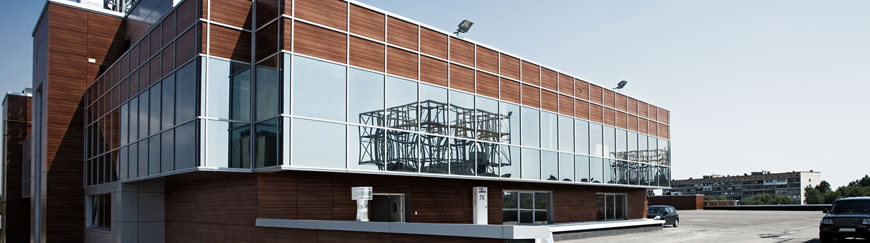
Letting property to a business is fundamentally different from letting to a private residential tenant. Even where a building looks similar on the surface, commercial occupation alters how it is used, who enters it and how risk tends to arise over time.
These differences matter from an insurance perspective and help explain why cover designed for residential landlords is rarely appropriate for business-let properties.
Commercial landlord insurance (also known as commercial property insurance) exists to reflect this reality. Compared to a residential let property, businesses introduce staff, customers, contractors, suppliers, equipment and operating hours that extend beyond domestic use.
And as regulatory expectations, safety standards and insurer scrutiny continue to evolve in 2026, it may make sense for commercial landlords to review whether their existing insurance arrangements genuinely reflect how their properties are used in practice, rather than how they were originally purchased or first let.
This guide explains what is generally considered a commercial-let property, why residential landlord insurance may fall short, and the types of cover, responsibilities and risk factors commercial landlords may wish to consider when arranging or reviewing property insurance.
What counts as a commercial-let property?
In practice, a property is usually regarded as a commercial let because of how it is used, rather than how it is described on paper. If the premises form part of a business operation – whether that involves selling goods, providing services, storing stock or carrying out industrial activity – the risks associated with that property will differ from those found in a private home.
Business use tends to change the day-to-day character of a building. Access is often less predictable, with employees, deliveries, contractors and, in many cases, customers entering and leaving throughout the day. This level of activity can increase exposure to accidental damage and injury, particularly when compared with a residential property occupied by the same people on a regular basis.
Commercial occupation can also place different demands on the fabric of the building itself. Electrical systems may run for longer hours, additional equipment may be installed, and patterns of wear can develop in ways that are closely linked to how the business operates. These factors may not be immediately obvious from the outside, but they can have a material impact on how risk develops over time.
Responsibility is another key area where commercial and residential lettings often diverge. In commercial arrangements, obligations for maintenance, repairs and reinstatement are frequently set out in the lease and may be shared between the landlord and the tenant in ways that are far more detailed than in a standard residential tenancy. For that reason, understanding both the nature of the business activity and the responsibilities set out in the lease is an important part of assessing how the property should be insured.
Shops
Retail premises tend to be shaped as much by customer behaviour as by the building itself. High street units, shopping centre stores and independent shops are typically designed for regular public access, which means the way the space is used can change throughout the day and across the trading week.
From a risk perspective, this constant movement matters. Members of the public may be unfamiliar with the layout, displays change frequently, and stock deliveries often take place during opening hours. Together, these factors may typically increase the likelihood of accidental damage or injury, particularly in confined or heavily merchandised spaces.
The physical features of retail properties can also influence how insurers view risk. Large areas of external glazing, signage and shopfront fittings are more exposed to impact damage and vandalism, especially in busy town centres or areas with late-night activity. Seasonal trading periods, extended opening hours, and short-term staffing changes can further affect security arrangements, which may be relevant when assessing cover requirements.
Offices
Office premises are often seen as comparatively straightforward, particularly where they are used for desk-based or professional work. In practice, however, the way an office building is occupied can still raise important insurance considerations.
This is especially true in multi-let offices, where common parts such as entrances, stairwells, lifts and shared facilities are used by multiple tenants.
Responsibility for maintaining these areas frequently sits with the landlord, regardless of how long individual tenants have occupied the building. As a result, liability exposure may extend beyond a single business or floor.
Modern office use can also place sustained demands on building services. Electrical systems may operate for extended periods, additional cabling or server equipment may be installed, and occupancy patterns may shift as working practices change.
Hybrid or flexible working arrangements, for example, can lead to fluctuating attendance levels, which in turn affects how risk develops and how safety measures are applied in practice.
Workshops
Workshops often require closer assessment because the activities carried out within them vary widely. The description of the space is less important than how it is actually used on a day-to-day basis.
A light repair workshop and a fabrication unit may appear similar externally but present very different fire or injury risks internally. The practical risks within workshop environments are shaped by what happens inside the space, rather than the unit is described. Tools, machinery and heat-producing equipment can introduce fire and injury exposures that develop gradually over time, particularly where processes evolve or new equipment is introduced. Materials stored on site, including waste products, can also affect how a loss might arise or spread.
For this reason, insurers generally may look beyond surface descriptions and focus instead on how the workshop operates day to day. Clarity around processes, waste handling arrangements and safety controls can be more relevant than the label attached to the premises, especially where activities change or expand during the term of a lease.
Warehouses
Warehouses are often defined by scale. Large internal floor areas, high ceilings and extensive racking systems can all influence how risk presents, particularly where goods are stored in volume or moved frequently.
Fire risk may increase where stock is densely packed or where access for firefighting is restricted by layout or storage design. The nature of the goods held on site can also be relevant, as some materials may burn more readily or generate greater damage if a fire does occur. In addition, vehicle movements around loading bays and service yards introduce their own considerations, particularly where multiple operators are involved.
Security is often a key factor for warehouse premises. Properties that operate continuously, store higher-value goods or rely on remote locations may face increased exposure to theft or malicious damage. Insurers may typically consider access controls, lighting, alarm systems and perimeter protection when assessing overall risk.
Industrial units
Industrial units can cover a wide spectrum of activity, from relatively light assembly work through to small-scale manufacturing. Even units that appear similar externally can present very different risk profiles depending on how they are used.
Machinery, production processes and staffing levels all influence how risk develops within an industrial setting. In some cases, environmental factors such as noise, emissions or the handling of by-products may also be relevant, particularly where neighbouring properties are close by or where regulatory controls apply.
Because of this variation, industrial units are commonly assessed on their individual characteristics rather than by category alone. Insurers will usually want to understand how the space functions in practice, how risks are managed and whether there are any factors that distinguish the unit from others on the same estate.
Why standard landlord insurance isn’t enough
Residential landlord insurance is typically designed to cover the risks associated with domestic occupation. Once a property is used for business purposes, residential landlord cover typically may no longer provide appropriate cover.
This is because commercial use affects how incidents arise, how damage spreads and who may be affected. It also changes how responsibility is shared between a landlord and a commercial tenant, particularly where leases allocate repairing, maintenance or reinstatement obligations.
The different risks that a commercial property may face compared to a residential property may typically include, but are not limited to:
Fire and operational risks
Commercial premises may involve catering equipment, machinery, higher electrical demand or combustible materials. These types of factors can increase both the likelihood and potential impact of fire compared with a typical residential let.
A policy designed for domestic use may not reflect these exposures adequately, particularly where specialist equipment or processes are involved or where fire loads are higher than expected.
Public access and liability exposure
Businesses bring people onto the premises. Employees, contractors, suppliers and customers all increase footfall, which can raise the likelihood of slips, trips and other injury claims.
This is especially relevant for retail, hospitality and customer-facing environments, where liability exposure forms part of everyday operation rather than being incidental.
Business activity and contents
Although landlords do not usually insure tenants’ stock or equipment, business activity still affects overall risk. Machinery, packaging materials, chemicals or stored goods can influence fire loading and the complexity of claims, even where contents insurance sits with the commercial tenant.
What commercial landlord insurance may include
Commercial landlord insurance is not a standardised product. Cover, limits and exclusions typically vary between insurers, and suitability depends on the property, tenant type and lease structure. However, as a general overview, commercial landlord insurance may offer the following elements of protection. Some may come as standard within the cover or may be optional add-ons.
When choosing commercial landlord insurance cover, make sure you understand what your cover does and doesn’t entail – or speak to your insurance provider for clarification.
Buildings insurance
When damage occurs to a commercial property, the practical challenge is rarely limited to repairing visible damage. Reinstatement often involves navigating planning requirements, sourcing appropriate materials and coordinating specialist contractors, all of which can extend timescales and increase costs beyond initial expectations. For some properties, changes in building regulations or the need for professional input can further complicate the process.
Insurance arrangements need to reflect this reality. A building insured on figures that no longer account for current rebuilding standards or compliance requirements may appear adequate until a loss brings those assumptions into question. Keeping rebuild values under review can therefore be an important part of managing risk over the long term.
Property owners’ liability
In commercial settings, the responsibility for injury or damage may not always follow simple lines. Areas such as shared entrances, stairwells or external access points may be used daily by tenants, visitors and contractors, yet remain under the landlord’s control.
Where incidents occur in these spaces, liability can rest with the party responsible for their condition rather than the business operating nearby.
This can still apply even where a lease places wide-ranging obligations on the tenant. Understanding how responsibility operates in practice, rather than relying solely on lease wording, can be central to assessing potential exposure.
Loss of rent
Where a property cannot be used following insured damage, the financial impact is often felt over time rather than immediately. Commercial repairs can involve longer lead times, particularly where regulatory approval, specialist works or coordination with tenants is required. During this period, rental income may be affected, sometimes for longer than initially anticipated.
Insurance cover may address this interruption for a defined period, but the suitability of that period depends on how long reinstatement could realistically take, not just on minimum repair estimates.
Alternative accommodation
Some commercial leases require landlords to provide alternative accommodation following damage. Where this applies, insurance arrangements should reflect that obligation and any associated costs.
Legal expenses
Legal expenses insurance may assist with certain legal costs, such as disputes with tenants, lease enforcement or recovery of rent arrears, subject to policy scope and exclusions.
This is often an optional add-on to the existing cover.
Terrorism cover
Terrorism cover is also often optional and may be arranged separately. It is more commonly considered for properties in city centres, transport hubs or locations perceived as higher risk.
Glass cover
Retail premises may benefit from specialist glass cover, as shopfront glazing is particularly vulnerable to accidental damage and vandalism and can be costly to replace.
Commercial landlord insurance is not a one-size-fits-all product
Policy features, limits and exclusions can vary significantly between insurers, and the most suitable level of cover will depend on factors such as the type of property, the tenant’s business and the responsibilities set out in the lease.
Cover may include buildings insurance, property owners’ liability, loss of rent and, where relevant, options such as legal expenses, terrorism or glass cover, although some elements may be optional rather than standard.
Given the potential complexity of commercial repairs, higher rebuild costs and differing lease obligations, it is important to understand what a policy does and does not cover, and to ensure that sums insured and indemnity periods are appropriate for the specific risks involved.
Commercial landlord responsibilities
Commercial landlords retain responsibilities even where leases allocate day-to-day obligations to tenants. These responsibilities often include maintaining the structure of the building, ensuring electrical safety and complying with fire safety legislation.
Clear documentation, regular inspections and appropriate record-keeping can help landlords demonstrate that reasonable steps have been taken to manage risk and meet legal obligations.
Leases, responsibilities and insurance alignment
One area that can cause difficulty is misalignment between lease obligations and insurance cover. A landlord may be responsible for reinstatement under the lease but rely on insurance that does not fully reflect that obligation.
Reviewing leases alongside insurance arrangements can help identify potential gaps, particularly where properties have changed use or tenants over time.
Comparing commercial landlord insurance
When comparing commercial property insurance policies, landlords may wish to look beyond price alone. As we have highlighted earlier on, policy wordings, exclusions, excesses, conditions and claims handling processes all affect suitability. What one insurance policy covers may not be the same as another – even if they look and are priced more or less the same.
Understanding how cover responds in practice, rather than simply what is listed on a schedule, can be as important as the premium itself.
Speak to your insurance provider if you are unsure as to what commercial landlord insurance policy offers the most appropriate solution for you.
Cost factors and managing premiums
In commercial lettings, insurance costs are rarely driven by a single factor. The age and construction of a building, its location and the type of business occupying it all play a part, but risk can also change gradually over time.
Alterations to the property, rising rebuild costs or a shift in how the premises are used can all leave cover out of step with reality if sums insured are not reviewed.
In many cases, underinsurance develops gradually rather than because of any single oversight. Properties may continue to be insured on figures set years earlier, even though rebuilding costs, materials and regulatory requirements have changed in the meantime. Cover can therefore appear sufficient on paper until a loss brings those assumptions into question.
Taking the time to review rebuild values, notifying insurers when a property is altered or its use changes, and dealing with maintenance issues as they arise can help keep cover aligned with the likely cost of reinstatement.
Maintaining the building, addressing maintenance issues promptly, managing occupancy changes and investing in appropriate security can all help manage risk over time. These may also be a condition of your commercial property insurance cover.
How Cover4LetProperty can help
Commercial lettings often involve variables that are not immediately obvious from a policy schedule alone. The way a property is occupied, how responsibilities are divided under the lease, and how the premises have evolved over time can all influence whether existing insurance remains suitable.
This is particularly true where a property combines different uses.
At Cover4LetProperty, we work with landlords across a broad range of commercial sectors, including mixed-use properties (such as shops with residential flats above).
Our UK-based team can discuss how each part of a property is used, highlight where cover or sums insured may no longer reflect the current arrangement, and help arrange insurance that is aligned with the risks involved, subject to insurer acceptance and policy terms.
Further reading:
Commercial property insurance 101 for landlords
Complete guide to being a commercial property landlord
Mixed-use property insurance: how to insure a shop with flats above
Disclaimer
The information provided in this article is for general guidance only and is not intended to constitute advice or a recommendation. Insurance cover, terms, conditions, limits and exclusions vary between insurers and policies, and the suitability of cover will depend on individual circumstances, including the property, tenant and lease arrangements. You should always refer to the full policy wording and, where appropriate, seek independent advice before making any insurance decisions. Cover is subject to insurer acceptance and policy terms and conditions.