

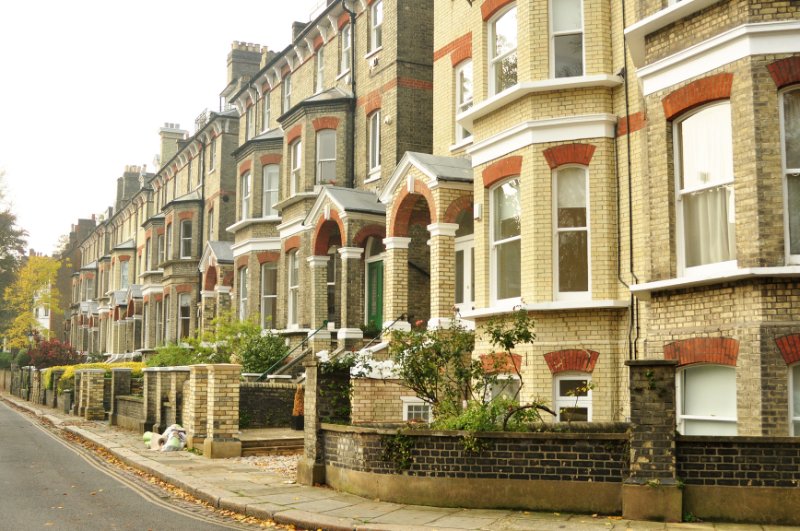
The main difference between landlord insurance for flats and houses is often who arranges the buildings cover. A flat may already be insured under a policy for the whole block, whereas the owner of a freehold house will usually arrange buildings insurance directly. But does that mean a flat landlord needs less protection?
A flat landlord may find that the freeholder or management company insures the building; a freehold house landlord usually arranges cover directly.
The answer depends on ownership, the terms of any lease, the tenancy and what the existing insurance actually covers. Here we compare some of the responsibilities and risks, so you can identify possible gaps without paying for unnecessary duplicate cover.
Is landlord insurance different for flats and houses?
The underlying risks are similar, but the arrangements for insuring the building can be quite different.
For a leasehold flat, the freeholder or a management company will often arrange buildings insurance for the whole block. This can reflect the shared structure, access areas and the possibility that an incident in one flat may affect neighbouring homes. The landlord of an individual flat still needs to consider risks arising from the tenancy, even where the building itself is insured.
A block policy may include certain permanent fixtures and fittings, such as fitted kitchens, internal doors or built-in appliances, but the extent of that cover varies. Carpets, curtains, furniture and other items may instead fall under contents insurance. Check both the lease and the policy wording to establish which items are insured and who is responsible for them.
The block policy may also provide property owners’ liability cover for communal areas. That does not necessarily protect an individual flat landlord against claims arising from their own legal liability within the let property. The responsibilities and the scope of each policy need to be checked.
Who arranges buildings insurance for flats and houses?
For many leasehold flats, the freeholder is responsible for arranging buildings insurance for the entire block, with leaseholders contributing through service charges. The lease should explain the arrangements, so an individual flat owner should not assume that buildings cover is either included or unnecessary.
Alternatively, a Right to Manage (RTM) company may arrange the block insurance after qualifying leaseholders take over management functions. Leaseholders are entitled to become members of an RTM company, but membership is not automatic or compulsory. The company, rather than each individual flat owner, normally handles the building’s management and insurance arrangements. The Leasehold Advisory Service explains these membership rights.
Where flat owners collectively own a share of the freehold, they generally share responsibility for ensuring appropriate buildings insurance is arranged. This is often organised through a freehold company or managing agent, rather than separate policies taken out by each owner.
There can be exceptions in small converted buildings, including properties divided into two flats. Some leases allow individual leaseholders to arrange buildings insurance, but this is not something owners can simply choose without checking their leases. Separate policies may also create difficulties where damage affects shared structures.
For a freehold house, the owner will normally arrange buildings insurance for the structure. Some houses are leasehold, however, and the lease may allocate insurance responsibilities differently. In either case, the landlord should check any mortgage requirements and ensure the insurer knows the property is let.
Even where the freeholder or management company insures the building, individual flat landlords may need cover for risks associated with letting, including:
- the furniture and furnishings owned by the landlord;
- accidental damage – if this is available and appropriate to the circumstances of the tenancy agreement;
- property owners’ liability cover, which may respond to claims where the landlord is legally liable for injury or property damage, subject to the policy terms; and
- loss of rent following an insured event that makes the property uninhabitable, subject to the cover limits and conditions.
How does block buildings insurance work?
For owners of an entire block of flats, block buildings insurance allows protection of the building as a whole against risks specified in the chosen insurance policy.
The precise parts of the building insured should be set out in the block policy. Depending on the wording, they may include:
- roof, external walls, and the foundations of the block;
- internal walls, floors, and ceilings;
- windows, doors, and permanent fixtures and fittings;
- shared staircases, hallways, lobbies, and entrance areas; and
- communal facilities.
The premium for block buildings insurance is commonly recovered from flat owners through service charges, in accordance with the leases. Landlords should check what they are paying towards, the level of cover, any excess and how claims involving more than one flat are handled.
Do not assume that a block policy provides all the protection needed when letting an individual flat. It may insure the structure but not the landlord’s movable contents, their own liability exposures or lost rental income. Asking for a summary of the block cover can help identify what needs to be insured separately.
What insurance might a landlord need for a flat?
Once the block buildings cover has been confirmed, leasehold flat landlord insurance can address tenancy-related risks not included in that policy. The cover available varies between insurers.
Consider whether you need protection for:
- the furniture and furnishings you have provided for your tenants;
- the feasibility of extending cover against accidental damage;
- property owners’ liability cover, where the landlord is legally liable for an injury or property damage and the circumstances fall within the policy terms; and
- loss of rent after an insured incident makes the flat uninhabitable, and possibly alternative accommodation costs where expressly included in the policy.
What insurance might a landlord need for a house?
A landlord who owns a freehold house will usually need to arrange buildings insurance directly. This can protect the structure and permanent parts of the home against insured events, subject to the policy’s exclusions, excesses and limits. Any outbuildings or boundary features should be checked separately rather than assumed to be covered.
Alongside buildings insurance, the landlord may want protection for the same tenancy-related risks faced by a flat landlord. For a house, these may include:
- the furniture and furnishings you have provided for your tenants;
- the feasibility of extending cover against accidental damage;
- property owners’ liability cover for claims arising from the landlord’s legal liability, subject to the policy wording; and
- loss of rent following an insured event that makes the house uninhabitable, with alternative accommodation costs only if the policy provides them.
How do insurance risks differ between flats and houses?
The building layout and ownership arrangements can affect both the risks and the way a claim is handled. The following differences are worth considering:
Flats
- a flat shares parts of its structure with other homes, so damage may extend beyond the landlord’s own dwelling and involve a block policy;
- escape of water from a bath, appliance or pipe can damage the flat below or neighbouring properties. Responsibility for repairs and any policy excess depends on the circumstances, the lease and the insurance arrangements;
- communal entrances, staircases and other shared areas may create maintenance and liability questions involving the freeholder, managing company and individual leaseholders;
- in a small, converted property, the leases may provide for separate buildings insurance arrangements, making it especially important to check for gaps or overlaps in cover.
Houses
- the freehold owner will generally arrange buildings insurance for the structure and disclose the property’s use as a let to the insurer;
- the policy may cover insured damage to the roof, walls, windows and other permanent features, while outbuildings, boundary walls and particular risks may be subject to separate terms;
- the landlord remains responsible for maintenance and repairs under applicable law and the tenancy agreement; insurance is not a substitute for routine upkeep.
Is landlord insurance more expensive for flats or houses?
Neither property type is automatically cheaper to insure.
Premiums depend on factors such as location, construction, rebuild cost, claims history, the type of tenants, policy excesses and the cover selected. A flat landlord may also contribute towards block buildings insurance through service charges, so the cost of an individual landlord policy is not necessarily the whole insurance cost.
It is therefore misleading to compare only the price of a flat landlord’s separate policy with a house landlord’s combined buildings and landlord policy. Look at the total cost and what each arrangement actually insures, including any overlap, gaps or excesses.
Landlord insurance for flats vs houses: comparison checklist
Before arranging cover, ask:
- is the property freehold or leasehold, and what does the lease say about insurance responsibilities?
- who arranges buildings insurance, and can you obtain the relevant block policy details?
- which fixtures, fittings and communal areas are covered, and what exclusions, limits or excesses apply?
- do you need separate landlord contents, property owners’ liability or loss-of-rent cover?
- who is responsible for maintaining shared areas and handling claims affecting more than one flat?
- does the insurance address escape of water and other risks relevant to the particular property and tenancy?
Choosing appropriate landlord insurance
The most useful comparison is not simply flats versus houses, but what insurance is already in place and which risks remain the landlord’s responsibility. For leasehold flats, start with the lease and block policy. For freehold houses, check the buildings cover alongside the tenancy-related protections you need.
If you are unsure about gaps, exclusions or overlapping policies, Cover4LetProperty can help you explore landlord insurance options and understand the terms of the cover available.
Disclaimer: This article provides general information only. Insurance cover, exclusions and conditions vary between insurers and policies. Responsibilities for buildings insurance may also depend on the property’s ownership structure and lease terms. Always check your policy documents and lease, where applicable, or speak to your insurance provider or broker to confirm the cover you need.