








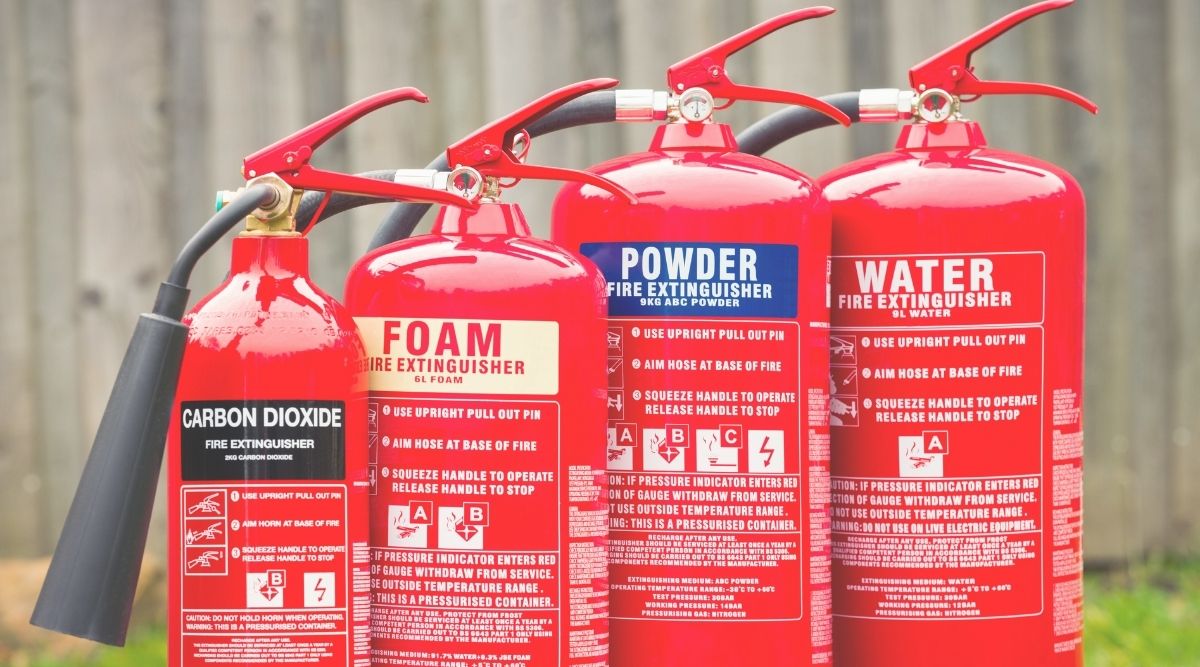
Fire remains a significant risk for commercial properties. Government statistics show that fire and rescue services in England attended 13,679 ‘other building fires’ in the year ending March 2026.
A fire can cause extensive damage to commercial premises, as well as serious disruption to tenants, employees and neighbouring businesses. It can also interrupt business operations, potentially for a considerable period.
Managing fire risk is therefore an important responsibility for commercial property owners and occupiers. Here, we look at the common causes of commercial property fires, practical fire prevention measures and how commercial property insurance may respond following an insured fire.
What are the main causes of fires in commercial properties?
The causes and sources of fires in commercial premises are many and varied. Some may be quite obvious, others less so. Potential causes include:
- electrical faults;
- faulty or poorly maintained plant and equipment;
- faulty or poorly maintained heating equipment;
- cooking or catering facilities;
- flammable materials;
- discarded cigarettes and other smoking products;
- poor housekeeping and waste storage; and
- arson.
Any commercial building fire risk assessment takes into account both the business activities and operations of its tenants and the way in which the premises are occupied. Restaurants, offices and warehouses, for example, are all likely to display different fire hazards. That is why any commercial property insurance provider will need accurate information about the occupancy of the premises and tenants’ business operations.
Who is responsible for fire safety in a commercial property?
A surprising number of individuals may be responsible for fire safety. The responsibility may lie with the owner of the premises, the landlord, the occupier, an employer, or anyone else with control of the building (a managing agent, building manager, or facilities manager, for instance).
In England and Wales, the Regulatory Reform (Fire Safety) Order 2005 establishes the concept of a “responsible person” for fire safety matters. Different legislation applies in Scotland and Northern Ireland.
In England and Wales, there may be more than one responsible person. Where responsibilities are shared, landlords, tenants and any other responsible persons must co-operate and co-ordinate their fire-safety measures.
The “responsible person” – or “persons” if there is more than one – has a range of legal duties, which may be summarised as follows:
- carry out, record and regularly review a suitable and sufficient fire risk assessment of the commercial premises, engaging a competent fire risk assessor where necessary;
- inform staff and/or staff representatives about the risks that have been identified;
- establish and maintain suitable fire safety measures;
- formulate a plan for use in an emergency; and
- provide staff with appropriate fire-safety information, instruction and training.
The Fire Safety Order and guidance on the legal duties of responsible persons are intended for use across the whole range of commercial and residential properties. This article provides general information only about the legislation, and owners of commercial property may need to establish the specific requirements that apply to their own premises.
Further guidance: GOV.UK – Fire safety in the workplace
How can commercial landlords reduce the risk of fire?
Fire prevention is a central part of managing risk in a commercial property. The precautions required will depend on the building, its use and the activities carried out by tenants, but common measures include:
Maintain electrical installations and equipment
- sparks, short-circuits and overheating of electrical installations and equipment may be the source of many fires within commercial premises;
- a rigorous routine of inspections, maintenance and prompt attention to the repair of defects may help to reduce the hazard;
Maintain heating and other building systems
- heating, ventilation and other building systems may also pose fire hazards;
- regular servicing and maintenance of critical systems may be incorporated into your fire safety measures;
Keep escape routes clear
- a fire risk assessment may identify the escape routes to be used in the event of an emergency;
- that emergency plan relies on escape routes being kept clear – so, you may want to concentrate on keeping communal areas, corridors, stairwells and fire exits permanently clear and unobstructed;
Manage combustible materials and waste
- depending on the nature of the tenant’s commercial activities, combustible materials may be present in the building, along with any waste also generated;
- combustible materials need to be stored securely and appropriately, avoiding any unnecessary accumulation of unwanted supplies or waste;
Control hot works
- hot works are activities involving heat, sparks or naked flames and can include welding, cutting, roofing and similar processes;
- activities such as these may be potential sources of fire and may need particular safety protocols.
The reduction of fire risks may vary according to the nature of the property and the activities of the tenants within it.
Does commercial property insurance cover fire damage?
Commercial property insurance typically provides cover against the risk of fire, although the precise level and nature of that cover will depend on the particular policy.
Commercial property fire insurance may be restricted to damage to the structure and fabric of the building itself or may extend to other elements of insured property, such as plant, equipment and contents of the premises.
Check your policy documents to ascertain precisely what is covered by your insurance for commercial premises, paying close attention to the policy terms, conditions, limits and exclusions.
Why is the rebuilding value important for fire insurance?
The rebuild or reinstatement value of your premises provides an essential foundation for your commercial property fire insurance policy.
The building sum insured should therefore reflect an appropriate estimate of the cost of reinstating the property, subject to the terms, limits and conditions of the policy. If the property is underinsured, the amount payable following a claim may be affected.
You can read more about commercial landlord insurance and business-let property risks.
Rebuild value is based on the estimated cost of reinstating the property and is different from its market value.
Rebuild value may also include associated costs such as demolition, site clearance and professional fees. Whether these are included in your commercial property fire insurance policy may vary according to your chosen insurer and the relevant policy terms, conditions, and exclusions.
What should you do after a fire at a commercial property?
Fires can cause serious injuries and may be fatal. Safety should therefore be your first priority. If a fire occurs at a commercial property, the following steps may be appropriate:
- ensure people are safe and contact the emergency services where necessary;
- do not enter an unsafe building;
- contact your insurer or broker as soon as reasonably possible;
- follow the insurer’s instructions concerning emergency repairs;
- take photographs or video where it is safe and appropriate to do so;
- retain all the relevant documentation and receipts; and
- avoid disposing of damaged property until advised, unless it is necessary for safety or has been specifically authorised.
While complying with any instructions from your insurer, you may want to protect the property from further damage if it is safe and reasonable to do so.
Fire prevention checklist for commercial property owners
As an at-a-glance reminder, commercial property owners may wish to check that they:
- understand who is responsible for fire safety and how responsibilities are shared;
- keep the fire risk assessment recorded, current and under review;
- document relevant testing, maintenance and fire-safety measures;
- review fire risks when tenants, occupancy or business activities change;
- regularly review the rebuilding value and other insurance values; and
- check and comply with any fire-related insurance conditions.
Frequently asked questions about commercial property fire risk
Here are some frequently asked questions about commercial property fire risks:
Is fire insurance compulsory for commercial property?
- there is generally no legal requirement to take out commercial property insurance simply because you own a commercial building;
- however, a mortgage lender, freeholder or lease may require appropriate buildings insurance. Separate legal fire-safety obligations apply regardless of whether the property is insured;
Does a tenant or landlord arrange commercial building insurance?
- responsibilities for arranging insurance are typically determined by the lease conditions or other contractual requirements;
- in many commercial leases, the landlord may be responsible for arranging building insurance – but the lease itself may need to be checked rather than assuming the landlord has taken responsibility;
Does commercial property insurance cover arson?
- the policy documents define the precise areas of cover and fire damage from arson may be included;
- even if cover is included, however, you may need to consider the policy’s exact terms, conditions, circumstances and exclusions;
Do I need to tell my insurer if the use of the building changes?
- changes to the use or occupancy of a commercial property may affect the risk presented to the insurer. If the premises become empty, unoccupied commercial property insurance may need to be considered, depending on the existing policy terms;
- check your policy requirements and notify your insurer or broker of relevant changes where required.
Protecting your commercial property from fire
Managing fire risk is an ongoing responsibility. Changes in tenants, occupancy, equipment or business activities can alter both the fire risk and the insurance requirements of a commercial property.
It therefore makes sense to review your fire precautions, fire risk assessment and insurance arrangements whenever there is a significant change to the property or its use.
If you would like to discuss commercial property insurance, contact the Cover4LetProperty team to explore the options available.
Further reading: Commercial property risks landlords often overlook (and how insurance protects you)