








Landlords have a legal responsibility to provide tenants with a safe and hazard-free home. Government guidance covers responsibilities including gas and electrical safety, alongside requirements relating to matters such as Energy Performance Certificates (EPCs). These requirements establish some of the essential legal obligations for landlords.
These legal requirements are not necessarily the same as the terms, conditions or requirements set out in your landlord insurance policy. Landlord insurance does not replace a landlord’s legal responsibilities.
But can breaking landlord safety regulations affect insurance? Potentially. If a loss is connected with a failure to maintain the property or comply with a relevant policy condition, this could affect how a claim is handled, depending on the circumstances and the terms, conditions and exclusions of the particular policy.
How could landlord safety legislation affect your insurance?
Landlord safety legislation and landlord insurance are separate, but they can overlap. Your insurance policy may contain terms, conditions or requirements relating to the maintenance and safety of the property, reasonable precautions, or compliance with relevant laws and regulations.
This means that requirements such as gas and electrical safety checks, fire and alarm requirements, licensing conditions and, where applicable, EPC and Minimum Energy Efficiency Standards (MEES) may potentially have insurance implications as well as legal ones.
For example, a landlord may be legally required to have particular inspections or certificates in place. An insurer may separately require the property to be maintained in a good state of repair, for statutory requirements to be met, or for particular precautions to be taken. The precise requirements vary between insurers and policies, so landlords should always check their own policy documentation rather than assume that meeting their legal obligations automatically means they have met every insurance requirement.
What safety regulations do landlords need to follow?
While essential safety requirements are set out in relevant legislation – including regional variations for England, Scotland, Wales and Northern Ireland – insurers may also set requirements within their policy terms. These may vary according to the property, the type of tenancy, its location and the cover provided.
Whether the requirements relate to the structural integrity and safety of the building, gas or electrical safety, or other landlord obligations, detailed records may need to be kept. For your own records and, where relevant, to support an insurance claim, you may want to retain evidence of inspections, remedial work, repairs and maintenance, together with any safety certificates issued.
While the details vary, legal requirements and relevant insurance policy conditions may include or relate to:
- a property that is maintained in a good state of repair, safe and free from health hazards;
- electrical installations must be inspected and tested at least every five years in England;
- an Energy Performance Certificate (EPC) must be obtained and provided where required; and
- additional safety requirements may apply to Houses in Multiple Occupation (HMOs).
Let’s examine some of these requirements in more detail.
Gas safety requirements for landlords
Landlord gas safety requirements are among the statutory duties. Landlords have a legal responsibility to arrange an annual safety check of relevant gas appliances and flues provided for tenants’ use.
Where a new gas appliance or flue is installed, landlords should ensure it is covered by the applicable gas safety and maintenance requirements and check the latest official guidance.
Gas safety requirements can vary across England, Wales, Scotland and Northern Ireland, and regulations may change. Landlords should always check the current requirements that apply to their property and location.
In England, Scotland and Wales, gas safety checks must be conducted by a Gas Safe Registered engineer. The landlord must retain the gas safety record for at least two years, give a copy to existing tenants within 28 days of the check and provide a copy to new tenants before they move in.
Annual gas safety checks are a legal requirement, while your insurance policy may also contain requirements concerning maintenance and reasonable precautions. If a loss is connected with a failure to maintain the property or comply with a relevant policy condition, this could affect how a claim is handled, depending on the circumstances and the policy wording.
It is therefore sensible to keep clear records of gas safety checks, servicing, maintenance and any remedial work carried out.
Electrical safety regulations for landlords
Electrical safety requirements vary across the UK. Scotland, Wales and Northern Ireland have their own legislation and requirements for private rented properties, which may differ from those described here for England. Landlords should check the current rules that apply to the location and type of property they let.
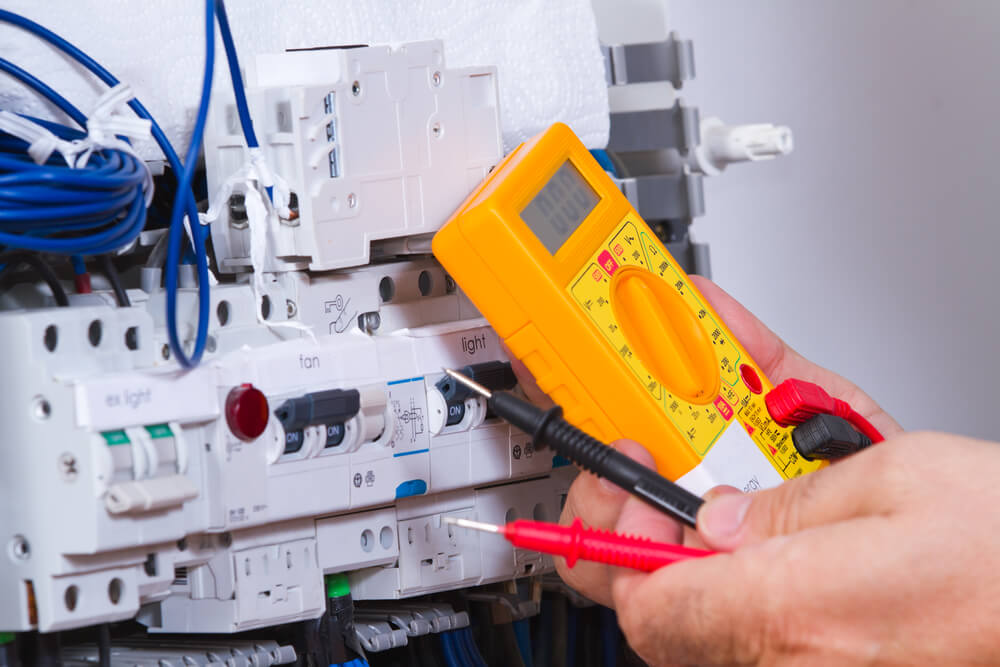
In England, the Electrical Safety Standards in the Private Rented Sector (England) (Amendment) (Extension to the Social Rented Sector) Regulations 2025 form part of the electrical safety framework. Landlords within scope must arrange for electrical installations to be inspected and tested by a qualified person at intervals of no more than five years, or sooner if the previous report requires it. The inspection produces a report, commonly referred to as an Electrical Installation Condition Report (EICR).
The inspection covers the fixed electrical installation, including wiring, consumer units, sockets and switches. Where the report identifies remedial or further investigative work, landlords must comply with the applicable timescales and requirements.
Copies of the EICR must be provided to the tenants of the let property and to the local council if they are requested.
The statutory inspection interval and any insurance requirements are separate matters. A landlord insurance policy may contain its own conditions relating to maintenance, inspections or reasonable precautions, so the policy wording should be checked carefully.
A helpful safety check for electrical appliances is Portable Appliance Testing (PAT) which comprises a routine inspection of plug-in appliances such as kettles, vacuum cleaners and extension leads.
PAT testing requirements vary across the UK. In England, PAT testing is not generally a specific statutory requirement for private landlords, although landlords remain responsible for ensuring that electrical appliances they provide are safe.
In Scotland, private landlords are required to arrange in-service inspection and testing (commonly known as PAT testing) of electrical equipment they provide.
Landlords should check the requirements applicable in Wales and Northern Ireland and the latest guidance for the location of their property.
Electrical safety is important because defects can increase the risk of fire, electric shock and other losses. If an insured loss is connected with a failure to maintain the electrical installation or comply with a relevant policy condition, this could affect how a claim is handled, depending on the circumstances and the policy wording.
EPC requirements for landlords
An Energy Performance Certificate (EPC) provides information about a property’s energy efficiency, including a rating from A (most efficient) to G (least efficient). EPCs are generally valid for ten years. Requirements for obtaining and providing an EPC vary according to the property and its location within the UK, so landlords should check the rules that apply to them.
Landlords in England and Wales are also subject, where applicable, to Minimum Energy Efficiency Standards (MEES). The current minimum standard is generally EPC E for properties within scope. A property rated F or G generally cannot be let unless a valid exemption applies.
Energy-efficiency requirements are changing. The Government has confirmed plans for privately rented homes in England and Wales to meet a higher energy-efficiency standard, equivalent to EPC C, by 1 October 2030, unless a valid exemption applies.
The Government has confirmed this policy direction, but further legislation is required to implement the new standard and the detailed regulatory framework continues to develop. Landlords should therefore check the latest government guidance before making decisions or carrying out work.
Energy-efficiency legislation establishes legal requirements for landlords, but these should not be confused with insurance policy conditions. Whether EPC or energy-efficiency requirements are relevant to insurance cover will depend on the wording of the particular policy.
A failure to meet a legal energy-efficiency requirement does not, by itself, mean that an insurance claim will be declined. The effect, if any, will depend on the circumstances of the loss and the terms, conditions and exclusions of the policy.
Does a landlord need an EPC for insurance?
EPC and MEES requirements are legal requirements and are separate from the requirements of an individual landlord insurance policy. Therefore:
- your insurance policy may contain separate requirements relating to legal compliance, maintenance or the condition of the property;
- check that your let property has a valid EPC where required, meets the applicable MEES requirements and complies with any relevant terms of your insurance policy.
What happens if a landlord does not meet safety requirements?
Gas, electrical and energy-efficiency requirements are only part of the landlord safety framework. Depending on the property and tenancy, other duties may include smoke and carbon monoxide alarms, fire safety, safe furniture and furnishings, and additional HMO or licensing requirements. Landlords should check the rules that apply in their part of the UK.
Further reading: Landlord Legislation Guide and Landlords Guide to Health & Safety.
What happens if you breach landlord safety requirements?
Where the breach involves legislation, enforcement action and penalties may apply depending on the particular duty and circumstances. Requirements and enforcement arrangements also vary between England, Wales, Scotland and Northern Ireland.
In England, for example, a failure to comply with certain landlord safety regulations may result in:
- a remedial notice issued by the local council to put things right;
- the local authority itself taking necessary remedial action and charging the landlord for the work, where the legislation permits;
- financial penalties can be substantial – up to £40,000 (as at September 2026), for example, for certain breaches of the electrical safety regulations in England;
- in the case of flagrant and severe breaches, a criminal prosecution may result; and
- where the property is let under a local authority licence – in the case of Houses in Multiple Occupation (HMOs), for example – letting restrictions may be imposed.
Failure to comply with legal safety requirements could affect your insurance or the handling of a claim, particularly where the non-compliance is relevant to the loss or a requirement of the policy.
However, the effect will depend on the circumstances and the individual policy terms, conditions and exclusions.
Landlord safety and insurance checklist
The following is a general checklist only and is not exhaustive. Legal requirements vary across England, Wales, Scotland and Northern Ireland and according to the property and type of tenancy. Landlords should check the current requirements applicable to their particular property and location.
To help meet your legal responsibilities and comply with relevant insurance policy requirements, you may want to check the following (where relevant to the location of your let property):
- ensure the annual gas safety certificates are up to date;
- arrange electrical inspections to maintain a valid EICR;
- consider the use of PAT checks on electrical appliances;
- ensure the property’s EPC is up to date;
- act promptly on tenants’ reports of faults and complete all remedial work as soon as possible;
- retain all certificates and invoices for maintenance and remedial work done; and
- review your landlord insurance policy to ensure you comply with all relevant landlord insurance safety requirements.
Next steps
Complying with landlord safety requirements helps protect tenants, protect the landlord’s business and investment, and may also reduce the risk of accidents, property damage and liability claims.
Legal compliance and insurance cover are separate, however, and landlords should understand both their statutory duties and the requirements of their particular insurance policy.
You may therefore want to review your current insurance arrangements and policy documentation to ensure the cover remains suitable for the property you let and that you understand any relevant conditions, exclusions and obligations.
Disclaimer
This article provides general information only and does not constitute legal, regulatory or insurance advice. Landlord safety, licensing, energy-efficiency and other legal requirements vary according to the property, type of tenancy and location within the UK and may change over time. Different requirements apply in England, Wales, Scotland and Northern Ireland. Insurance cover, terms, conditions, exclusions and policy requirements also vary between insurers and policies. Landlords should always check the latest official guidance applicable to their property and location and read their individual insurance policy documentation. If you are unsure about your legal obligations or insurance requirements, seek appropriate professional advice.