

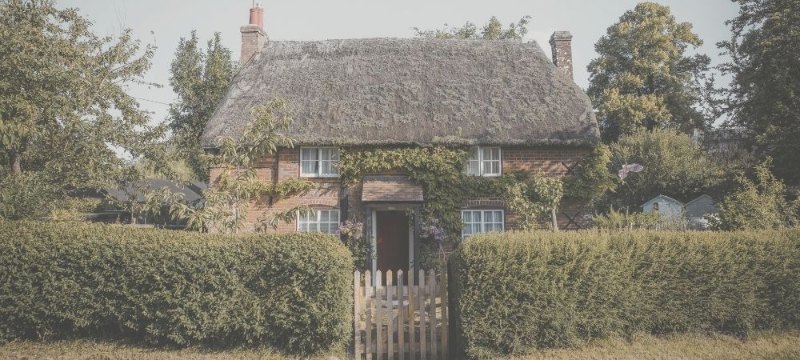
A second home might be somewhere you escape to at weekends, spend holidays with your family or simply enjoy a change of scenery. But when it comes to insurance, a property you visit occasionally is different from the one you live in every day.
So, can you rely on ordinary home insurance, or do you need something more specialist?
In most cases, you will need insurance designed for a second home. Standard home insurance is generally intended for your main residence, while a second property may stand empty for weeks or months at a time.
Here, we look at what to consider when arranging second home insurance in the UK.
What counts as a second home for insurance purposes?
A second home is generally a property you own in addition to your main residence. You might use it for weekends, family holidays or occasional longer stays.
For insurance purposes, however, how you use the property matters more than what you call it.
For example, an insurer will want to know whether:
- you and your family are the only people staying there;
- friends or relatives use it when you are absent;
- you occasionally rent it to paying guests; or
- the property remains empty for extended periods.
These details help insurers determine the most suitable cover and any conditions that may apply.
Can you insure a second home under ordinary home insurance?
Usually, standard owner-occupier home insurance is not suitable for a second home. Your mortgage lender may also have specific insurance requirements (please see the next section).
Most conventional policies assume someone lives at the insured address as their main residence. They may also limit cover when nobody occupies the property for a specified number of consecutive days.
Specialist second home insurance can take account of occasional use and longer periods between visits, although exclusions and conditions still apply.
See our Guide to UK holiday homes for more information.
Your second home insurance and your mortgage
If you have a mortgage on your second home, your lender will usually require you to have suitable buildings insurance in place as a condition of the loan.
The insurance must reflect how the property is used. For example, if you only visit at weekends or leave it empty for extended periods, you should ensure that your policy accommodates this. Standard home insurance may not be suitable.
Before arranging cover, check:
- whether your mortgage lender has specific buildings insurance requirements;
- that the property’s rebuild value is adequately insured;
- whether the policy permits extended periods of unoccupancy;
- whether you need to notify your insurer and mortgage lender if the property’s use changes, including letting it to paying guests.
Remember: Buildings insurance protects the property against insured risks; it does not cover your mortgage repayments if you are unable to meet them.
You can generally choose your own insurance provider, provided the policy meets your lender’s requirements.
What insurance should you consider for a second home?
The most appropriate policy depends on the property, its contents and how you intend to use it.
Buildings insurance
Buildings insurance protects the property’s structure against insured events such as fire, storm damage and flooding, subject to policy terms.
Check that the sum insured reflects the cost of rebuilding the property rather than its market value. If you own a leasehold flat, establish whether the freeholder or management company already arranges buildings insurance.
Contents insurance
Even a modestly furnished second home can contain expensive items, including furniture, appliances, televisions and personal belongings.
Consider what you leave at the property permanently and whether the policy provides adequate protection against theft and accidental damage.
Property owner’s liability insurance
If somebody is injured at your second home and you are found legally responsible, you could face a compensation claim.
Check whether your policy includes property owner’s liability insurance and whether the limit is suitable for your circumstances.
How long can a second home be left empty?
There is no single unoccupancy limit that applies to every UK second home insurance policy.
Some insurers impose restrictions after 30 consecutive days, while others allow longer periods. Specialist policies may accommodate extended absences, provided their conditions are met.
Before leaving your property, check whether you must:
- arrange and record regular inspections;
- maintain a specified minimum temperature during colder weather;
- turn off the water supply or drain down the system;
- keep locks, alarms and other security measures operational; and
- notify the insurer about an extended absence.
Our unoccupied property insurance page explains why cover for empty properties requires particular attention.
Five questions to ask before choosing second home insurance
Rather than comparing premiums alone, ask your insurer these practical questions.
1. Does the policy reflect how often I use the property?
Explain your normal visiting pattern, including any lengthy winter absences.
2. Can family members or friends stay without me?
Do not assume that allowing somebody else to use the property is automatically covered.
3. Are outbuildings and unusual features included?
Garages, summerhouses, swimming pools and non-standard construction may require additional consideration.
4. What excesses and exclusions apply?
Look particularly at escape of water, theft, storm damage and accidental damage.
5. What happens if my plans change?
If you decide to let the property commercially, tell your insurer before accepting bookings. You may need different cover.
Our article on holiday let versus landlord insurance explains why the distinction matters.
Do you need specialist insurance if you never rent out your second home?
Yes, you will generally still need insurance appropriate for a second home, even if it is used exclusively by you and your family.
The main consideration is not simply whether you receive rental income. It is whether the policy accommodates the property’s actual occupancy and associated risks.
Before purchasing, explain your circumstances accurately and check that the insurer has accepted the proposed use.
Protecting your second home
Suitable second home insurance should reflect how you use your property today, not how you might use it in future.
Whether your second home is a seaside flat, country cottage or weekend retreat, check the cover, exclusions and occupancy conditions carefully.
At Cover4LetProperty, we offer UK holiday home insurance designed for properties used as second homes, as well as holiday lets.
Disclaimer: This article is intended for general information only and does not constitute personalised insurance advice. Policy terms, conditions and exclusions vary between insurers and may change. Always check your policy documentation and discuss your circumstances with your insurance provider.