






Selling a property can create insurance complications many homeowners do not expect. The process of selling your home – from its initial listing, through viewings, offers, exchange of contracts and completion – can take weeks or months.
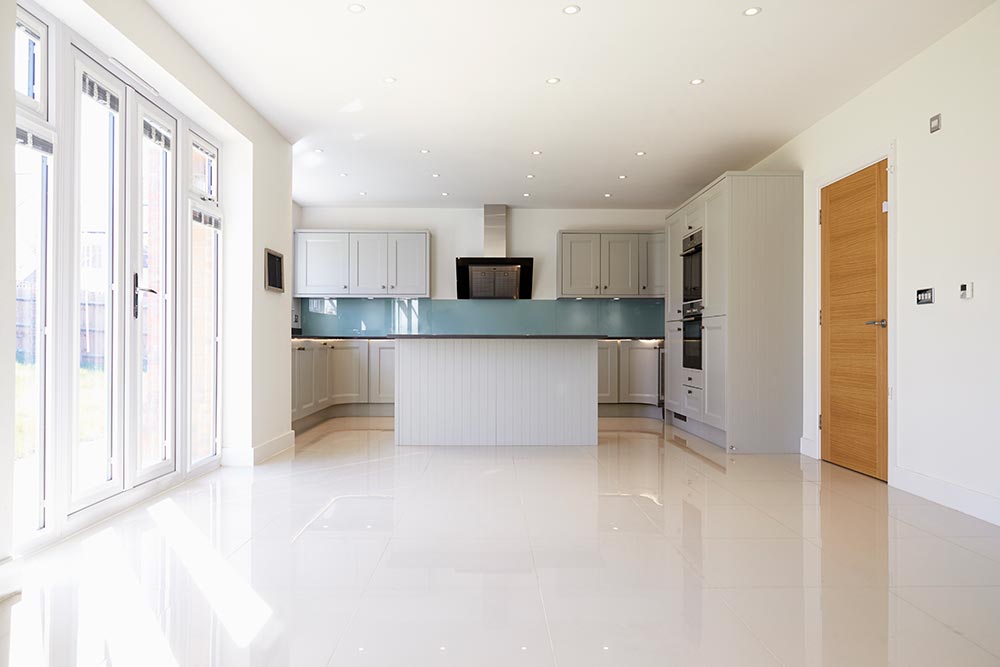
During that process, the dwelling is likely to start off occupied but sooner or later may become unoccupied. As a result, the nature and extent of any existing property insurance cover may change, particularly if the property becomes empty for an extended period. In this case, unoccupied property insurance may typically be required. This is because insurers often apply different terms once a property no longer has someone living there.
Having appropriate cover in place is especially important whenever the property becomes unoccupied. That is when many insurers restrict standard home cover – or may no longer provide the same level of protection. So, you may want to check that suitable cover continues throughout the sales process with appropriate unoccupied property insurance.
Whatever the property – whether it’s your previous home, a property subject to probate, or a buy-to-let sold between tenancies – it is important to understand just what is happening to the insurance cover so that you can avoid unexpected gaps in cover.
When homes become unoccupied during sale
As far as your insurer is concerned, your home is not, of course, designated as “unoccupied” the moment it is listed for sale. It is where you have been living and where you intend to continue to live, either until the sale is completed or you have moved into your new home.
Instead, insurers typically define a property as unoccupied only when no one has been living there for longer than 30 to 60 consecutive days – the exact interval varying from one insurance policy to another. Whatever the interval, that period is likely to be exceeded for a number of reasons, including the fact that:
- the current owners have already moved into their new home;
- there is a longer than usual void between previous tenants moving out and new ones moving in;
- a property is awaiting sale subject to probate;
- the home is being refurbished prior to its sale; or
- the property is occupied only occasionally or sporadically while it is being marketed for sale.
If your property is defined as unoccupied according to the terms of your existing insurance policy, your insurer may change the level of cover provided, attach additional conditions to the continuation of the policy, or even significantly restrict the cover available.
What insurers class as an unoccupied property
Different insurers may use different definitions of an “unoccupied” property. In many cases, this means a home that has not been lived in for 30 consecutive days or more, although some policies use 45 or 60 days instead. It is important to check the wording of your own policy carefully, since cover restrictions may begin automatically once that limit is exceeded.
Also, a property can be classed as unoccupied or empty even if it is furnished.
Your mortgage agreement and property insurance
If the property is mortgaged, the lender will typically expect adequate buildings insurance to remain in place throughout the sales process.
Mortgage conditions often require the property to stay insured against risks such as fire, flood and storm damage until ownership has legally transferred to the buyer.
If the home becomes unoccupied, it is important to check whether your existing insurer continues to provide suitable cover or whether specialist unoccupied property insurance may be needed.
Insurance risks during the selling period
Why do the terms and conditions of insurance for homes being sold change in this way? As is often the case with any kind of general insurance, the terms and conditions may alter in direct response to changes in the nature and level of the insured risks. When a home is empty, insurers often view these properties as presenting a different level of risk.
Common concerns for insurers may include:
- an otherwise minor maintenance issue – such as the dripping tap that becomes a significant escape of water – may develop into a major incident if it goes unnoticed;
- storm damage may also go unreported – and, as a result, usher in further losses;
- the overall state of repair of the premises may deteriorate through lack of regular inspection and supervision;
- an unoccupied home tends to attract all manner of unwanted attention – from opportunistic thieves, for instance, intent on making off with fixtures, fittings, and any other movable equipment; and
- intrusion by vandals and others bent on causing malicious damage.
These are among the heightened risks that lead many insurers to restrict cover for your home once it has been unoccupied for the prescribed period of between 30 and 60 consecutive days (depending on the particular insurer’s policies).
In some cases, cover may be reduced to a limited range of insured risks only (such as FLEEA insurance covering against the risks of Fire, Lightning, Explosion, Earthquake and Aircraft impact). Sometimes, if your home is unoccupied for an extended period, the insurer may even treat the regular cover as having expired completely.
To maintain appropriate insurance protection for the property, alternative arrangements may need to be made for insurance for homes being sold, namely specialist, standalone, unoccupied property insurance.
Common exclusions for empty properties
Once a property becomes unoccupied, insurers may restrict certain parts of the cover. Escape of water, theft, malicious damage and accidental damage are among the areas most commonly affected. Some insurers may only continue limited cover unless additional conditions are met. Check you understand what your cover entails.
Vacant property rules
Whether your regular home insurance stays in place, additional conditions are attached to the cover, or standalone insurance for homes being sold is arranged, you still have an obligation to take every precaution to mitigate the risk of loss or damage to your unoccupied home.
To back up that responsibility, your insurer may impose specific requirements and conditions designed to reduce the risk of loss or damage at an empty property for sale. Typically, these may include – but are, of course, subject to variation from one insurer to another:
- regular inspections of the property – with visits duly recorded and logged;
- securing doors and windows appropriately – sometimes with an emphasis on upgrading locks and intruder alarms;
- removing post and other deliveries – or arranging for their care and supervision by a friend or neighbour;
- some insurers may insist that water systems are drained down to avoid the risk of an escape of water;
- the maintenance of an ambient level of heating – especially during wintry conditions when there may be a risk of frozen or burst water pipes; and
- an obligation to notify the insurer whenever the property becomes empty and unoccupied.
Your failure to comply with these or other conditions may affect the validity of any property insurance cover, so it is important to check your policy wording carefully – especially if a protracted sales process seems likely.
The longer the property remains empty while being marketed, the more likely you may need specialist empty property insurance as the appropriate solution.
How to maintain cover while your property is on the market
If you have an unoccupied property, it is important that it remains protected against a range of risks including theft, escape of water and storm damage. In the worst-case scenario, the home might be seriously damaged, and without insurance, rebuilding costs could be substantial. Unoccupied property insurance is designed to help provide financial protection following insured loss or damage.
So, how might you ensure that suitable insurance remains in place throughout the sales process? There are a number of practical steps you may take:
- since one of the biggest changes likely to occur is your home becoming unoccupied, check how your insurer defines “unoccupied” – is it after 30, 60, or some other number of consecutive days, for example;
- once your home has become empty and unoccupied, check how long your existing policy will continue to provide cover;
- make sure to notify your insurer of any change in circumstances – exactly when the home becomes empty, for example;
- follow any inspection, maintenance, or other conditions your insurer may request; and
- consider whether you need vacant property insurance once your home has been empty for longer than a month or so.
These practical steps may not only help maintain appropriate cover throughout the sales process but could also help to avoid unnecessary issues or delays later in the conveyancing process.
Further reading: How to secure an empty property.
Selling a probate property and insurance considerations
Probate properties may remain empty for extended periods while legal and administrative matters are resolved. During this time, executors may need to review whether the existing home insurance remains suitable, particularly if the property becomes unoccupied before the sale completes.
Refurbishment work and insurance implications
Some homeowners choose to carry out refurbishment or repair work before putting a property on the market. However, building works may alter the insurer’s view of the risk. Depending on the scale of the work, standard home insurance may no longer be suitable and specialist renovation insurance or unoccupied property insurance may need to be considered.
Do you need specialist insurance while a house is for sale?
Specialist insurance for homes being sold has been developed to address some of the issues discussed so far. To consider whether you might need it, you may want to ask yourself some of the following questions:
- how long do you expect the property to remain empty and unoccupied;
- will all the utilities – water, gas, and electricity – remain connected;
- are you planning any refurbishment or other building works while the property remains advertised for sale (so renovation insurance may be required);
- are there any special circumstances or issues raised on account of the property’s location;
- does the property remain appropriately secured – or do you plan to upgrade any security arrangements;
- is the proposed sale subject to the successful completion of probate; and
- if the property is mortgaged, does the lender have any further conditions, restrictions, or requirements during the sales process.
Check with your current home insurance provider and your mortgage lender to make sure that your property is appropriately insured and you are meeting the relevant insurer and lender requirements.
What happens after exchange of contracts?
Responsibility for insuring the property may change after exchange of contracts, depending on the terms agreed between buyer and seller. It is advisable to check with your solicitor and insurer to understand exactly when responsibility for the buildings insurance transfers.
Next steps
If you are planning to sell your home, or have a probate property under your care, the process may take longer than expected. So that it remains appropriately protected throughout the sales process, you might want to review the existing insurance arrangements. You may also want to think about the extent to which these might alter as the circumstances change – especially if there will be a period when the property becomes empty and unoccupied.
Depending on the circumstances, you may want to consider arranging specialist empty property insurance. This may be a practical way to arrange cover for the period the property is empty. And unlike many other forms of general insurance, cover may be arranged for periods shorter than 12 months, often for flexible periods of 3 or 6 months, depending on insurer terms.
Here at Alan Blunden, we can help you review your existing insurance arrangements and explore cover options that may be suitable while your property is on the market, including protection for periods when the home may become empty or unoccupied.