








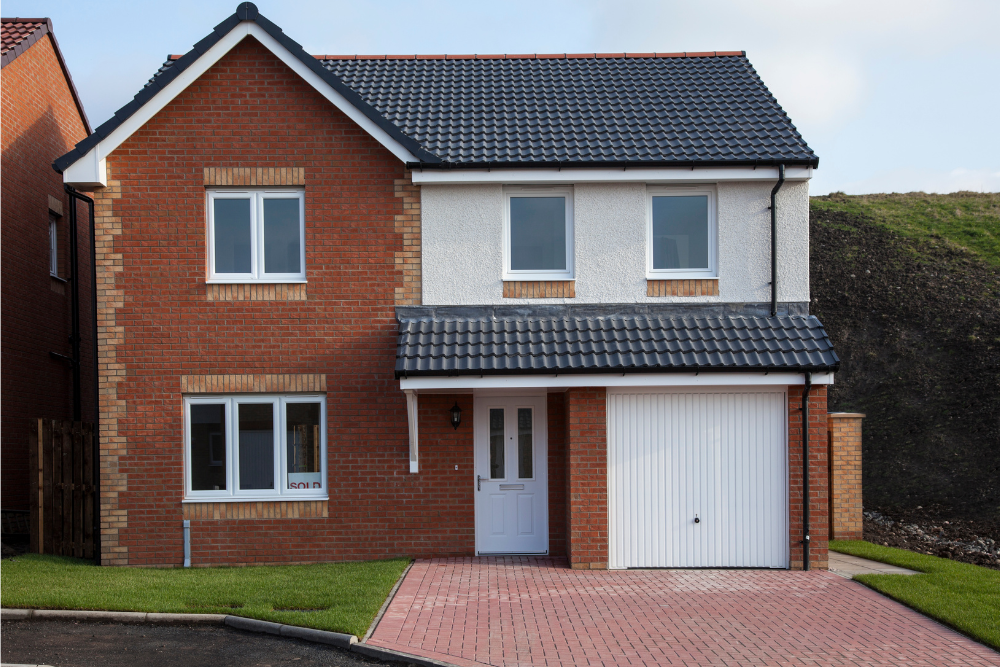
If you have to leave your home or a let property empty for longer than a month or two, it is more vulnerable to loss or damage. That makes securing the dwelling important not only for its physical protection but also to maintain adequate insurance cover.
This can also apply if a second home or holiday home is left unoccupied for extended periods between visits, as insurers may apply similar vacancy conditions in these circumstances. (See: UK holiday home insurance).
What is an empty property?
In insurance terms, a home is regarded as an unoccupied or empty property once it has been vacated, typically for longer than between 30 and 60 consecutive days and nights – with the precise interval varying from one insurer to another.
A property can be classed as “empty” even if it is still furnished.
Once a property is defined as empty or unoccupied under the existing buildings insurance policy, an insurer may restrict the extent of cover or, in some cases, regard cover as having lapsed altogether.
This is because there are heightened risks of an unoccupied home attracting thieves and vandals as well as exposure to water damage or other unnoticed issues.
In these circumstances, unoccupied property insurance may be required to replace your existing property insurance. Your unoccupied property insurance policy may include its own conditions while the property remains vacant.
You can read more in our Guide to unoccupied property.
Related reading: From probate to renovation: When does a property really count as ‘unoccupied’?
Why empty properties are vulnerable
In understanding how to protect empty property, it may help to recognise how an unoccupied home is more vulnerable than one that is in more or less continuous occupation. The same considerations may apply to second homes and UK holiday homes that are not in regular use throughout the year, particularly outside peak visiting seasons.
An otherwise minor maintenance issue or fault – such as a dripping tap – may develop into a full-blown and costly major incident if it remains undetected for very long. The delayed discovery of any damage increases the severity of losses from incidents such as water leaks, burst pipes, or forced entry by intruders.
When there is no one at home, the property lacks that natural surveillance – there’s no one there to perform the regular, everyday activities that help keep at bay opportunistic theft and mindless vandalism.
A vacant property can act as a magnet for thieves, vandals, and any number of unwanted visitors who spot the permanently closed curtains, empty driveways, unlit interiors, steadily mounting post and deliveries, surrounded by an unkempt and overgrown garden. These are all potential visible markers that the property is unoccupied – markers that it is sensible to hide or disguise if you want to help secure the empty house.
Vacant property risks in the UK may also vary with the changing seasons. Certain times of the year may prove a greater danger than others when your home is unoccupied. In wintertime, for example, there are fewer people out and about, fewer neighbours to spot a stranger’s suspicious interest in your home. Conversely, during holiday times there are more people about – including those who are less familiar – so strangers are less likely to stand out.
If the builders are in to refurbish your property, neighbours and others might find it quite normal to see unfamiliar faces in and about your home. If you are in the throes of an extended or delayed probate process, that may also leave the property unoccupied for many months at a time.
Further reading:
Unoccupied property insurance for renovation: Do you need cover while doing works?
Unoccupied property insurance: rules, restrictions and what you must know
Security measures insurers require
In all these circumstances of heightened risk, your insurer is likely to apply additional conditions designed to protect vacant property.
If your property is about to become unoccupied for longer than 30 to 60 consecutive days – the precise limit depending on your particular home or landlord insurance policy – make sure to inform your insurer. Unoccupied property insurance may be required.
Your insurer is almost certain to insist upon additional security measures for as long as the property remains vacant – measures designed to reduce risks rather than to eliminate them entirely.
The additional precautions you may be asked to take may include (but are not limited to):
Inspections
- if your property is unoccupied for longer than a month or two, your insurer will typically require regular inspections, both inside and out;
- vacant property inspections must be logged, with a written record kept where appropriate, and defects promptly reported and rectified;
- many owners ask how often an empty property should be checked – inspection frequency usually depends on insurer requirements and time of year.
- inspections, of course, are designed to help identify maintenance problems and leaks early, detect instances of forced entry, demonstrate you have taken reasonable care to protect the property, and thereby comply with your insurer’s security requirements;
- during specific times of the year when the risks might be heightened still further – the winter months, for example – the frequency of inspections might be increased.
Will an insurer really know if I have been visiting the empty property for inspection?
Some property owners assume that insurers are unlikely to know whether a property has been visited regularly while it is unoccupied. In practice, however, insurers may review a range of information when assessing a claim for loss or damage at an empty property.
For example, they may consider:
- inspection logs or written visit records;
- utility usage patterns such as heating or electricity activity;
- evidence from neighbours, managing agents, or contractors;
- timestamps from alarm systems, smart devices, or CCTV where installed;
- weather data compared with the timing of reported damage;
- the condition of the property at the time a loss is discovered.
These checks are typically used to understand how long a problem may have been developing and whether policy conditions relating to inspections, heating, or draining down systems were followed. Where records are clear and consistent, they can help demonstrate that reasonable precautions were taken while the property was unoccupied.
Keeping simple dated notes after each visit, together with photographs where appropriate, is often a practical way to show that inspection requirements have been met if questions arise later.
Managing water systems and temperature in an unoccupied property
When a property is left unoccupied for an extended period, insurers may apply specific conditions relating to water systems and internal temperature. These precautions are typically intended to help reduce the risk of escape of water, frozen pipes, and unnoticed damage.
You may be asked to take steps such as:
- draining down water systems where the property will be empty during colder months, particularly where no regular inspections are planned;
- turning off the mains water supply at the stopcock to reduce the likelihood of undetected leaks developing into more serious damage;
- leaving heating set to maintain a low background or ambient temperature during defined winter periods, where required by the policy;
- policies sometimes specify minimum heating expectations during colder months to reduce the risk of frozen pipes;
- ensuring loft tanks, pipework, and exposed plumbing are adequately insulated if the system is not fully drained;
- confirming whether insurers expect heating to remain operational between specific months (often late autumn through early spring), even if the property is otherwise empty;
- taking additional precautions in second homes or holiday homes that may be vacant for predictable seasonal intervals. (Further reading: How to winter-proof a holiday home: insurance, maintenance and empty-period risks)
Knowing your obligations and keeping your insurer informed
Because requirements vary between insurers, it is sensible to check policy wording carefully or speak to your insurance provider before leaving a property empty for any extended period.
If you are unable to meet these expectations, this may affect the assessment of any claims and could, in some circumstances, result in a determination of contributory negligence.
So, if your property has become unoccupied because it is subject to probate, under refurbishment, delayed in a sale, a void in tenancies, an extended absence from home, or any number of reasons, make sure to inform your insurer.
Failure to do so may affect the validity of your insurance cover or complicate ongoing legal and maintenance issues affecting visitor or tenant safety, the protection of neighbouring properties, boundary hazards and disputes, and fire risks.
Read: Winter and your unoccupied main or holiday home: what insurers expect.
Securing your unoccupied property
In addition to your insurance policy requirements, there are things you can do that may help secure your property.
These additional steps may be particularly helpful where a property is empty during probate, refurbishment works, seasonal absences from a second home, or between visits to a holiday home.
Alarm systems
- the installation of an alarm system – preferably with audible intruder detection – that can be monitored remotely (via your smartphone or computer, for example);
- any alarm system you install, of course, must be regularly maintained, remain active throughout any period that no one is at home, and you report to your insurer if ever the alarm becomes unavailable;
- many systems these days provide remote monitoring, offer smart alerts, and may be supported by live CCTV – depending on your location and the prevailing risk factors;
Lighting
- thieves, vandals, and arsonists often operate under cover of darkness – so
shine a light on them as a deterrent;
- the deterrent effect of strategically placed lighting can be further improved with motion-detecting external lights, improved visibility around points of entry,
- the use of timer-controlled lighting within the property, and the overall maintenance of appearances that the home is occupied;
External access and garden security
Steps taken outside the property can be just as important as those inside when helping to reduce the risk of unauthorised entry. Practical precautions may include:
- storing ladders, tools, and building materials securely rather than leaving them in the garden where they could be used to gain access to upper windows;
- locking gates, sheds, garages, and outbuildings so they cannot be used as entry points or concealment areas;
- ensuring boundary fences remain intact and access points are clearly secured;
- keeping gardens maintained so the property does not appear obviously unoccupied;
- arranging for post and deliveries to be redirected or collected regularly;
- avoiding leaving wheelie bins positioned in ways that could assist access to windows or fences;
- checking that side passages and rear entrances are properly secured.
Maintaining the appearance of occupancy
Maintaining the appearance that a property is still in regular use may help reduce the likelihood of opportunistic intrusion. Depending on the circumstances, you might consider:
- arranging for a trusted neighbour, friend, or relative to park occasionally on the driveway;
- asking someone to open and close curtains periodically;
- using timer-controlled lighting in different rooms at different times of day;
- ensuring outdoor lighting operates correctly and covers key entry points;
- keeping driveways clear and accessible rather than visibly unused for long periods;
- arranging occasional garden visits so the property continues to look attended;
- ensuring visible security devices such as alarm boxes remain in working order.
Managing access by contractors and visitors
Where estate agents, surveyors, contractors, or maintenance workers require access during the vacancy period, it may help to:
- keep a simple written record of visits and attendance dates;
- limit the number of people holding keys where possible;
- use secure key-holding arrangements where appropriate;
- confirm that doors and windows are locked after each visit;
- check the property promptly after any works have taken place.
Conclusion
Greater care and attention need to be paid to securing an empty home because the insurance risks are significantly higher than in occupied properties. The security arrangements you make are typically designed not only to help safeguard the building itself but also the validity and integrity of your insurance cover.
Although specific precautionary measures are likely to vary from one insurer to another, you are likely to be asked to conduct regular, logged inspections of the property if it is left unoccupied for longer than a month or more.
Make sure to inform your current insurers if you expect any property you own to become vacant and unoccupied for any length of time. You may find that restrictions are in place on the nature and scope of your cover while the premises remain unoccupied, be obliged to follow specific security precautions, or may need to arrange specialist, standalone, unoccupied property insurance.
Since you may be unfamiliar with your insurance situation and the special conditions that arise when your property becomes unoccupied, you might want to draw on the expertise and experience of professional insurance brokers such as us here at Cover4LetProperty. We will be happy to help.