






Owning more than one holiday home can bring new opportunities, but it may also make your insurance arrangements more complex. Differences in location, property type, rebuild value, contents and occupancy patterns can all influence the cover you need.
Rather than simply duplicating the insurance arranged for your first holiday let, it makes sense to consider each property individually as well as your portfolio as a whole.
Depending on the insurance provider and the properties involved, you may be able to insure several holiday homes under a single policy or arrange separate cover for each one.
Do you need different insurance if you own multiple holiday homes?
Not necessarily. The core risks may be similar, but the scale and complexity of those risks can increase as your holiday home portfolio grows. Important factors include:
- the number and location of the properties;
- property type, age and method of construction;
- rebuild and reinstatement values;
- the value of contents at each property;
- how frequently each holiday home is occupied;
- how long properties may be left empty or unoccupied;
- whether any property is mortgaged; and
- whether you use holiday letting agents or property managers.
This is why a one-size-fits-all approach may not always be suitable. Each property should be accurately declared to the insurer, with cover reflecting its individual circumstances.
Further reading: UK holiday home insurance.
Can you insure multiple holiday homes under one policy?
Potentially, yes. Some insurers may offer a portfolio or multi-property holiday home policy, while others may require separate policies. Availability and terms will depend on the insurer and the properties involved.
A single portfolio policy may make administration easier. Potential benefits include:
- one renewal date rather than several;
- simpler record keeping;
- a clearer overview of your insured properties; and
- potentially easier administration when properties are added or removed.
However, a portfolio policy is not necessarily cheaper or more suitable than separate UK holiday home insurance policies. Each property should be correctly described and have appropriate sums insured, limits and cover.
If you are considering buying a property with particular or unusual insurance requirements – such as a high-value property, listed building, thatched cottage or property of non-standard construction – speak to your insurance provider before you buy.
The property may require specialist insurance, additional underwriting or specific policy terms and conditions, and your existing insurer may not necessarily be able to provide suitable cover.
Your mortgage and holiday home insurance
If a holiday home is mortgaged, check the lender’s requirements. Mortgage lenders will usually require suitable buildings insurance to remain in place. The policy must also be appropriate for the way the property is used, including short-term holiday letting.
What should holiday home insurance cover?
Holiday home insurance policies vary, so check the policy wording, limits, excesses, conditions and exclusions. Common areas of cover to consider include the following.
Buildings insurance
Buildings insurance is designed to cover the structure of the property, including its permanent fixtures, against insured events. The buildings sum insured should normally reflect the cost of rebuilding and reinstating the property, rather than its market value.
Contents insurance
If your holiday home is furnished for guests, consider cover for the furniture, appliances and other contents you provide. Your policy will not necessarily cover guests’ personal belongings, so check the wording rather than assuming these are included.
Property owners’ liability insurance
Property owners’ liability cover can provide protection if you are legally liable for injury to another person or damage to their property in connection with the insured premises. Limits vary between policies, so check that the level of cover meets your needs.
Loss of rental income
Some policies may cover loss of rental income if an insured event makes the holiday home uninhabitable and confirmed bookings are affected. Cover is usually subject to specified insured events, limits and time periods, so the policy wording is important.
NOTE: For holiday lets in England, current GOV.UK guidance says owners should have dedicated holiday let insurance, public liability cover, and buildings and contents cover suitable for short-term letting. Requirements can differ elsewhere in the UK, so check the rules that apply to each property.
Further reading: Guide to UK holiday homes.
How does frequent guest turnover affect insurance?
A holiday let is used differently from a conventional home or longer-term rental property. Frequent changes of guest can affect the risk profile because visitors may be unfamiliar with the property and its security arrangements.
Relevant considerations may include accidental damage, lost keys, security, and the general wear associated with repeated short stays. Insurance is not a substitute for routine maintenance: gradual deterioration and wear and tear are commonly treated differently from sudden insured damage.
More information: Holiday let insurance UK: essential cover for short-term rental owners
What happens when a holiday home is unoccupied?
Periods without guests are normal for many holiday homes, particularly between bookings or outside the main season. However, an empty property can present different risks because leaks, storm damage, heating failures, attempted break-ins or other problems may remain unnoticed for longer.
Insurers may therefore apply specific unoccupancy conditions after a property has been empty for a defined period. These might relate to inspections, heating, water systems or security, and the cover available may change. Check the definition of “unoccupied” in your own policy and follow any conditions that apply.
Does each holiday home need the same level of cover?
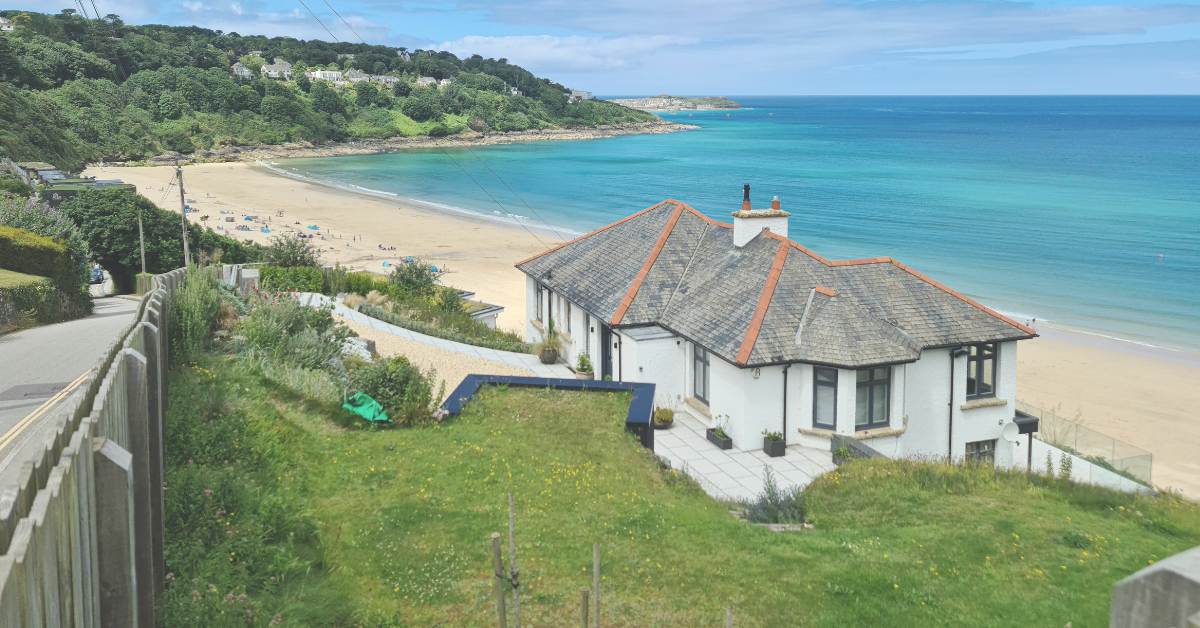
No. Two holiday homes can have very different insurance requirements. A coastal cottage, rural property and city apartment may each have different rebuild costs, contents values, occupancy patterns and location-specific risks.
For each property, consider:
- rebuild and reinstatement cost;
- location and exposure to risks such as flooding or storms;
- security arrangements;
- contents value;
- occupancy and unoccupancy patterns;
- property type and construction; and
- any other material features or circumstances the insurer asks about.
Whether you use separate policies or one multi-property holiday home insurance policy, give complete and accurate information for every property and tell the insurer about relevant changes.
What if you use a holiday letting agent or property manager?
Using a holiday letting agent or property manager does not mean you should assume their insurance covers your buildings, contents or liabilities. Establish exactly what insurance they hold and what remains your responsibility.
It is also useful to agree practical responsibilities, including:
- who deals with emergencies and urgent damage;
- how often the property is inspected, taking account of any inspection requirements or conditions in your insurance policy;
- who manages keys and security;
- who reports incidents that could lead to a claim; and
- how changes affecting the property or its use are communicated.
What legal and safety requirements should holiday home owners consider?
Insurance is only one part of managing a holiday let. Legal and safety requirements can vary according to the property and where it is located in the UK. In England, government guidance for self-catering holiday accommodation covers matters including planning, fire safety, gas and carbon monoxide safety, electrical safety, EPCs and insurance.
For current England-specific guidance, see GOV.UK. Rules differ in Scotland, Wales and Northern Ireland, so check the requirements that apply to each property.
Frequently asked questions about insuring multiple holiday homes
Is holiday home insurance the same as standard home insurance?
Usually not. A holiday home used for paying guests has different occupancy and use from a main residence. Standard home insurance may not provide suitable cover for short-term holiday letting, so dedicated holiday home insurance should be considered. This blog provides more information: UK holiday home insurance vs standard home insurance: what’s the difference?
Can I insure holiday homes in different locations together?
Possibly. Some insurers offer portfolio policies covering holiday homes in different locations. Each property will still need to meet the insurer’s criteria and be accurately declared.
Do I need to tell my insurer every time I buy another holiday home?
You should tell your insurer or broker about a new property before assuming it is covered under an existing portfolio arrangement. Do not assume a newly acquired holiday home is automatically covered. Contact the insurer or broker and confirm cover before relying on the policy.
Does holiday home insurance cover periods when there are no guests?
It may, but the terms can change after a property has been unoccupied for a specified period. Check the policy’s unoccupancy definition, cover restrictions and any conditions you must meet.
Reviewing insurance as your holiday home portfolio grows
As you add properties, review your insurance rather than simply repeating previous arrangements. Rebuild values, contents, locations, occupancy patterns, management arrangements and periods of unoccupancy can all change the cover required.
At Cover4LetProperty, we can help you explore insurance options for holiday rental properties and discuss the circumstances of your portfolio. Always check the policy wording to make sure the cover, limits, conditions and exclusions are suitable for your needs.
Further reading: UK Holiday home insurance checklist: what cover should owners consider?
Disclaimer:
This article provides general information only and does not constitute financial, legal or regulatory advice. Insurance cover, limits, conditions and exclusions vary between policies and insurers. Always check the policy wording and, if you are unsure whether cover is suitable for your circumstances, speak to the insurer or an insurance broker. Legal and regulatory requirements can change and may differ across the UK, so check the current rules that apply to each property.