








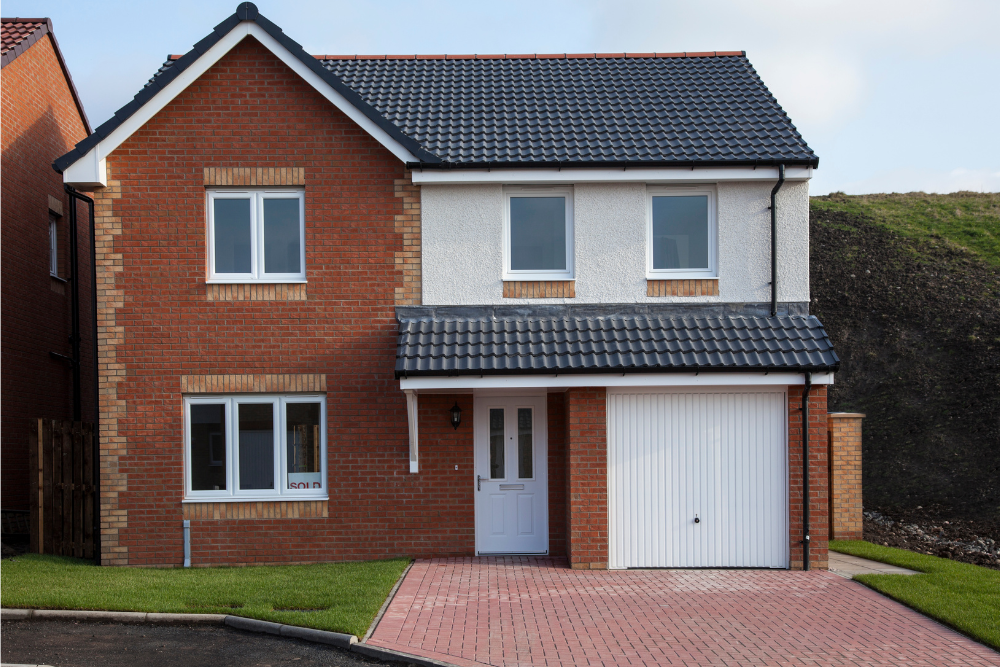
Do you own a residential property that is likely to become empty for longer than a month or so? Are you aware of the distinct empty property risks and the extent to which these may impact your buildings insurance?
There are any number of reasons why a property may be unoccupied:
- perhaps you are going on an extended holiday, working in a different part of the country or even abroad for several months;
- builders are in for a major refurbishment;
- you have inherited a property that is going through probate;
- you’re a buy-to-let landlord there may be a longer than usual interval between previous tenants moving out and new ones moving in.
Let’s consider how such temporary absences may highlight the importance of vacant property insurance.
Why are empty properties considered higher risk by insurers?
Empty properties are generally considered a higher insurance risk because problems such as theft, vandalism, escape of water and structural damage may go unnoticed for longer. As a result, insurers may apply different policy terms, conditions or inspection requirements once a property has been unoccupied for a specified period.
Insurers generally regard vacant and unoccupied properties as presenting a higher level of risk for two main reasons:
- an otherwise routine maintenance problem may develop into a full-blown emergency if there is no one on hand to report the problem or take immediate action; and
- an empty building typically attracts more than its fair share of unwelcome attention from thieves, squatters, vandals, and arsonists.
The risks are further identified in our Guide to Unoccupied Property.
These risks are increased because an unoccupied building is empty and not being checked every day. Maintenance problems, attempted break-ins and vandalism may go unnoticed. During that time, the cost of any eventual claim is steadily mounting.
What are the biggest theft risks for vacant properties?
Empty properties are generally more vulnerable to theft because there is no day-to-day occupation to deter criminals or identify suspicious activity. Specialist vacant property insurance may help protect against these risks, subject to the policy’s terms, conditions and exclusions.
Given the heightened vulnerability of any empty property to theft, it is little wonder that many insurers may require additional security precautions whenever the premises are vacated for longer than a month or so.
The precise interval may vary from one insurer to another, but special precautions typically come into effect once the building has been unoccupied for longer than 30 to 45 consecutive days depending on the specific terms and conditions of the particular vacant property insurance.
Why is escape of water a major concern in vacant buildings?
Escape of water is probably one of the most common and potentially expensive causes of insurance claims involving empty properties. Without anyone present to spot a leak quickly, relatively minor plumbing issues can develop into extensive and costly damage.
Whether it’s from a burst pipe, a failed connection, a leaking water tank, or fractured plumbing systems, the trickle of escaped water may continue for weeks or even months without detection. In an unoccupied property, of course, the discovery of the problem may take longer still. The damage – and cost of repairs – may have been building up all the time.
Much of the damage may be hidden. It can spread behind walls, under floors, and across voids in the ceiling before becoming visible. In terraced houses and flats, the escape of water may even spread to neighbouring properties, potentially leaving you open to liability claims.
The gradual seeping of escaped water may encourage the growth of damp and mould which is not only unsightly but also hazardous to health.
Although protection against escape of water may be incorporated into your vacant property insurance, the insurer is entitled to require precautions on your part to mitigate the risk of loss and damage. Note that not all policies automatically cover escape of water.
To reduce the risk of water damage, your empty property insurance policy may require you to turn off the water supply at the mains stopcock. Because there is still a risk of the water remaining in the system escaping, if the premises are to be vacated for longer than a month or so, you may also be required to drain down the system entirely. Make sure you understand what your obligations are under the terms of the policy.
How does structural deterioration affect empty properties?
Vacant property insurance also relies on yourkeeping the premises in a good general state of repair.
Empty buildings can deteriorate surprisingly quickly if maintenance is neglected. Routine inspections and prompt repairs may help prevent relatively minor issues developing into more significant structural problems.
A lack of maintenance may leave the roof, gutters, and rainwater goods leaking and in a poor state. Further weather damage may cause leaks and the ingress of water, leading to the growth of damp and mould.
What conditions may apply to vacant property insurance?
Because vacant properties present different risks, insurers often set additional conditions designed to reduce the likelihood or severity of claims. These requirements vary between insurers and policies. That relationship is also described in these FAQs on unoccupied property insurance.
Regular inspections can help identify problems before they become more serious, so insurers often require empty properties to be inspected at specified intervals. You may also be asked to keep a detailed record of those inspections and maintenance checks.
Vacant property security measures may be highlighted by your insurer. It is important to comply with any policy requirements, as failing to do so could affect the outcome of a future claim or the cover available under your policy.
Indeed, these and any other maintenance obligations may form part and parcel of your policy’s terms and conditions, which you may want to read, check, and follow carefully. Your insurer is likely to expect that any repairs are carried out promptly. Bear in mind that these are likely to vary from one insurer to another.
Further reading: How to leave your unoccupied property: security tips.
When might specialist vacant property insurance be needed?
As we noted at the beginning of this article, your residential property may become empty for a whole host of reasons. Typically, you may need specialist vacant property insurance if your premises are to be empty for longer than 30 to 45 consecutive days (depending on the policies of your particular insurer). For example:
- it is a property subject to probate and remains empty pending completion of that legal process – when probate property insurance may be appropriate;
- your home is currently being renovated, and you have moved out while the builders are in – when renovation insurance may be suitable;
- the property is on the market but remains empty and unsold for longer than a month or so; or
- your buy-to-let rental property is empty while previous tenants have moved out and before new ones have moved in.
What should you tell your insurer when a property becomes vacant?
A property becoming vacant may represent a significant change in the level of insurance risk. It is important to tell your insurer or insurance broker if your property is likely to be unoccupied for longer than the period specified in your policy.
In conclusion
An empty property is exposed to more than a usual share of risks. There may be an increased risk of theft, squatting, other incidents of unauthorised intrusion or maintenance issues that risk an escape of water or structural deterioration. These risks may make it particularly important to review your insurance arrangements before a property becomes unoccupied.
An early discussion of your particular needs and circumstances with an experienced broker or insurer may help to ensure that your property remains properly protected.
Frequently asked questions
How long can a property be empty before insurance changes?
Many insurers apply different terms once a property has been unoccupied for between 30 and 45 consecutive days, although this varies between policies and providers. Always check your policy wording.
Is a property classed as an empty property even if there is still furniture in it?
It can be. An empty property may still contain furniture, but for insurance purposes the key issue is usually whether it is occupied or unoccupied (that is, whether someone is living there) rather than whether it is furnished.
Does standard home insurance cover an empty property?
Many standard home insurance policies restrict or reduce cover once a property has been vacant for a specified period. If your property will be empty for longer than your insurer allows, you may need alternative insurance arrangements.
Does vacant property insurance cover theft?
This depends on the policy cover you choose, the level of protection offered, and the insurance provider. Many policies may include cover for theft, although security requirements, exclusions and policy conditions often apply. Always check the level of cover provided.
Do I need to inspect an empty property?
Many insurers require regular inspections of vacant properties and may ask you to keep a written record.
Can I insure a property that is being renovated?
Yes. The type of insurance required will depend on the extent of the works, whether the property remains occupied and your insurer’s requirements.
Further reading: From probate to renovation: When does a property really count as ‘unoccupied’? and Legal and compliance aspects of unoccupied property.
Disclaimer
This article is intended as general information only and does not constitute insurance advice. Insurance cover, terms, conditions, limits and exclusions vary between insurers. Always read your policy documentation carefully and speak to your insurer or insurance broker if you are unsure whether your property is adequately insured.