







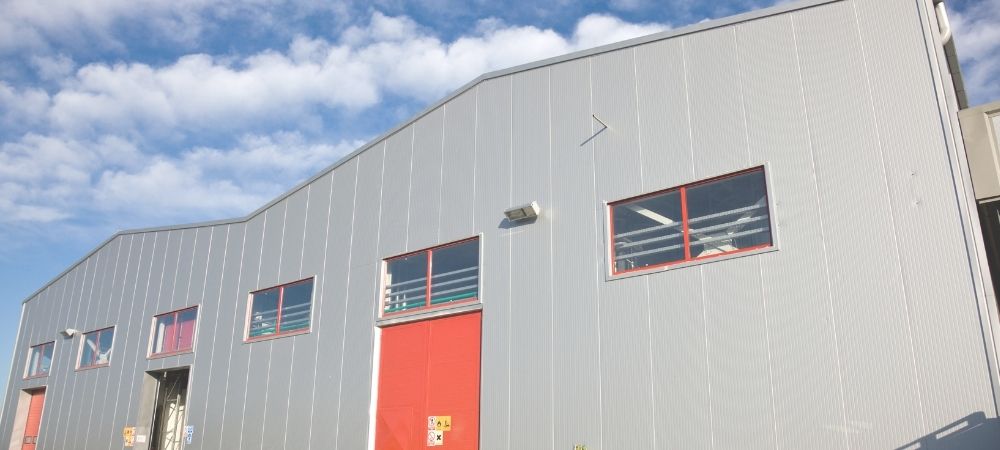
If you own commercial property, you may already have property owners’ liability insurance as part of your commercial property insurance policy. However, the level of cover, indemnity limits, and policy terms can vary between insurers and policies, so it is worth checking that your protection is appropriate for your property and the risks you face.
What is property owners’ liability insurance?
Property owners’ liability insurance is designed to protect you if someone claims they have suffered injury or property damage because of your property and you are found legally liable.
Depending on the circumstances, compensation awards and legal costs can be substantial, making it an important consideration for many commercial property owners.
As our blog Commercial property risks landlords often overlook (and how insurance protects you) explains, the owners of commercial property may sometimes overlook the risk of liability claims.
Perhaps some risks are overlooked because many of the incidents giving rise to liability claims may appear almost commonplace. These may typically include slips, trips and falls in or within the boundaries of the commercial premises, uneven or unsafe paths, driveways, and car parks, or defective fixtures and fittings.
But more serious accidents may occur from falling roof tiles, slates, masonry, or other building materials. Poor maintenance of the building or surrounding land may also be the cause of accidents. Do note that where a property owner has failed to carry out reasonable maintenance or ignored known defects, an insurer may reduce or decline a claim, depending on the circumstances and the policy wording.
If anyone – a visiting customer, supplier, neighbour, or even a nearby member of the public – is injured or has their property damaged in an accident of this kind, as the owner of the building, you may be held liable. If that liability is upheld, you may then be ordered to pay potentially substantial damages in compensation.
Who needs property owners’ liability insurance?
The owner of any kind of property runs the risk of some third party – a visitor, neighbour, or passerby – suffering an injury or having their property damaged through contact with the property in question.
Because of the number of visitors – and footfall in retail premises may be considerable – having the most appropriate amount of property owners’ liability cover may be important for owners of commercial property.
What does property owners’ liability insurance cover?
If you face claims of liability for injuries or property damage suffered by a third party, the costs of defending those allegations may be substantial. If the allegations are nevertheless upheld, the compensation awarded may be considerable. There may be further legal costs associated with these matters.
Commercial property liability insurance may protect your financial interests by covering your legal costs in defending allegations of liability, any compensation subsequently awarded to the injured person, and any related legal costs – up to limits defined in the insurance policy. Just as landlord liability claims may be many and varied, so too is the range of property owners’ liability cover available.
In view of the potentially substantial claims – especially in the case of physical injury, or even death – property owners’ liability insurance may provide indemnity limits of £2 million, £5 million, or more, depending on the policy.
The nature and scale of the commercial operation naturally help to determine the amount of cover required. A large department store on a busy high street or retail park, which attracts potentially thousands of shoppers, for instance, may identify a need for especially large cover.
What types of claims can arise?
The risk of liability claims may often be overlooked. Let’s consider how they may nevertheless arise – from a wide variety of causes.
Trips, slips, and falls
- in wintertime, a visiting customer slips on an ungritted icy path and fractures their wrist;
- uneven paths, poorly maintained steps, or even loose carpets can trip up the unwary and may leave you liable for their injuries;
Falling objects
- a loose roof tile slips and comes crashing down onto a neighbour’s parked car;
- the damage could be much worse, of course, if the tile struck a person but, either way, you may be held liable for the damage or injury;
Structural defects
- you have the builders in, and a tradesman falls through a rotten floorboard while carrying out his work – he breaks a leg;
- if it is shown that you had knowledge of the defect and failed in your duty of care to protect the contractor from harm, you may be held liable;
Damage caused by trees or other vegetation
- the roots of a tree on your land cause a boundary wall to collapse and someone is injured;
- you may be held liable for failing to maintain the tree and the adjacent wall in a sufficiently safe condition;
Escape of water
- an escape of water from a leaking pipe in your offices caused damage to your neighbour’s shop downstairs;
- if you knew about the leak but failed to arrange timely repairs, you may be held liable for the loss and damage caused to the shop below.
These are illustrative examples only. Whether a property owner is legally liable will always depend on the specific circumstances of the incident, and the cover provided will depend on the terms, conditions, exclusions, and limits of the insurance policy.
These are just a few examples of the many potential sources of liability claims. If an injured party can show that, through your negligence, you failed in the duty of care you owed them, and they suffered an injury or property damage as a result, you may be held liable and ordered to pay compensation.
Property owners’ liability insurance is designed to cover that compensation and legal costs if you are found legally liable, subject to the policy’s terms, conditions, exclusions, and limits.
NOTE: Many commercial property insurance policies also require policyholders to take reasonable steps to keep the property in a good state of repair and carry out appropriate maintenance. Failing to do so could affect the outcome of a claim, depending on the circumstances and the policy wording.
Is property owners’ liability insurance a legal requirement?
Although there is typically no legal requirement for property owners’ liability cover, you may want to note the circumstances where it may nevertheless be required:
- if the property is subject to a mortgage, your lender may require suitable insurance to be in place. Depending on the mortgage terms and the type of property, this may include property owners’ liability insurance;
- if your commercial property is leasehold, the contract may require that you hold liability insurance;
- covenants on a freehold property may also require commercial landlord liability insurance;
- certain licences or local authority requirements may specify minimum insurance arrangements, depending on the type of property and its use.
What isn’t covered by property owners’ liability insurance?
As with all types of insurance, the terms and conditions of your policy may incorporate exclusions. The precise exclusions may vary from insurer to insurer and policy to policy.
Typically, exclusions are likely to relate to damage caused to your own property, including deliberate or criminal acts, faulty construction, lack of maintenance or poor workmanship.
Injuries to your employees are unlikely to be included since these are covered by the generally legally obligatory Employers’ Liability Insurance – the minimum £5 million of cover required of any employer to cover injuries or health conditions suffered by employees while at work.
If you are aware of a potential risk of liability – a rotten staircase, for example – but fail to carry out timely repairs, the insurer may exclude cover or reduce the amount of any settlement because of your contributory negligence.
Frequently asked questions
The following are some of the most frequently asked questions about property owners’ liability insurance:
Do I need liability insurance if my building is empty?
- even if the building is empty, you may still be held liable for incidents that cause injury or property damage to others – falling masonry onto a neighbour’s car, for example;
- indeed, the risk of liability may be even greater when the building is empty and there is no one onsite to report maintenance issues or problems;
Does it cover contractors?
- property owners’ liability cover may, depending on the policy wording, provide protection against claims made by contractors;
- an example is the contractor who falls through rotten floorboards while working on your property;
- it will not usually replace a contractor’s own insurance. Whether a claim is covered will depend on the circumstances, who is legally liable, and the terms, conditions, exclusions, and limits of the policy.
Does it cover tenants?
- landlord liability claims may arise from tenants – or even their guests – who are injured or have their property damaged while in your let property;
- property owners’ liability insurance is designed to indemnify you against these and other claims from third parties;
Is it included in commercial property insurance?
- the potential for liability claims may be central to an insurer’s assessment of risk;
- many commercial property insurance policies include property owners’ liability cover. The sum insured may be substantial, depending on the nature and scale of the commercial operations, and may range from £2 million to £5 million or more, although the level of cover and policy limits vary between insurers and policies.
Seek expert advice
If you own any type of property – as a homeowner, landlord, but especially the owner of commercial premises – you may want to ensure that you have suitable protection against the risk of liability claims from visitors to your property, customers, suppliers, contractors, neighbours, or even passersby.
To help you secure that protection, you may want to draw on the expertise and experience of us here at Cover4LetProperty.
Disclaimer: This article is intended as general information only and should not be relied upon as insurance, legal or financial advice. Property owners’ liability insurance, policy limits, terms, conditions and exclusions vary between insurers and policies. Always read your policy documentation carefully and seek professional advice if you are unsure whether your cover meets your needs.