








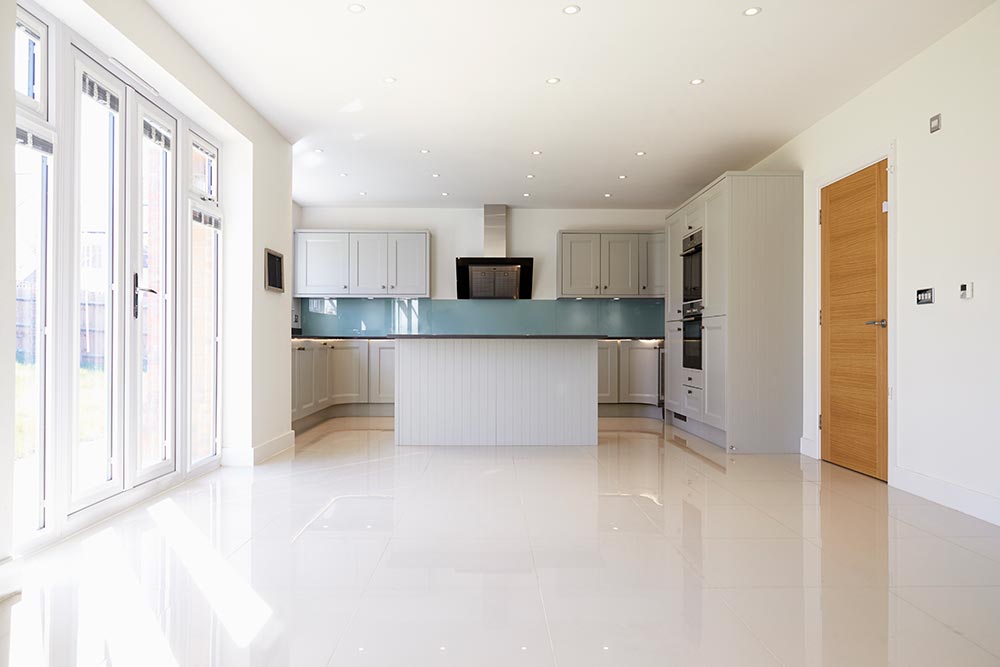
Have you ever left your home empty for an extended period and needed to arrange vacant property insurance? You may have found that insuring an unoccupied property involves different considerations from arranging standard home buildings and contents insurance.
Many standard home insurance policies place restrictions on cover once a property has been continuously unoccupied for a specified period. This is typically around 30-60 consecutive days, although the precise period and conditions vary between insurers and policies.
So, why can an empty property represent a greater insurance risk, and what can owners do to help protect it?
Why do empty buildings present greater risks?
Empty buildings can present greater risks than properties that are occupied on a normal, continuous basis.
Broadly, these risks tend to fall into two areas:
Security
An obviously unoccupied property can be more vulnerable to criminal activity and unauthorised access. Potential risks include:
- break-ins and theft;
- vandalism and malicious damage;
- arson; and
- unauthorised occupation.
Maintenance
When no one is regularly present, relatively minor maintenance problems can go unnoticed and develop into much more serious issues.
A small water leak, for example, might normally be spotted and dealt with quickly. In an empty property, it could continue for days or weeks before anyone notices, potentially causing significant damage.
Let’s look more closely at some of the principal risks associated with vacant property.
Theft and vandalism
Why can vacant properties attract thieves and vandals?
An empty building may provide greater opportunities for intruders because there is less chance of someone being present to detect them. Depending on the property, there may also be valuable contents, fixtures, fittings or materials that can be stolen.
Fixtures, fittings and metals can be particular targets. The risk may be greater where a property has limited natural surveillance from neighbours or passers-by, or is situated in an isolated location.
Unoccupied property insurance may provide cover for theft, attempted theft, vandalism or malicious damage, depending on the policy. The nature and extent of this protection can vary considerably, so check the policy wording carefully for limits, conditions and exclusions.
Your insurer may also require specific security precautions while the property is empty. These might include particular types of locks, securing accessible windows, maintaining an alarm or carrying out regular inspections.
Failing to comply with relevant policy conditions could affect a subsequent claim, depending on the circumstances and policy terms. It is therefore important to understand exactly what your insurer expects you to do while the property is vacant.
Squatting and unauthorised occupation
An empty property may also be vulnerable to squatters and other forms of unauthorised occupation.
In England and Wales, squatting in a residential building is a criminal offence. Broadly, squatting involves deliberately entering a property without permission and living there, or intending to live there.
The position is different for non-residential property. Simply occupying commerical premises without permission is not usually a criminal offence in itself, although other offences may be committed in connection with entering or occupying the property, such as criminal damage or theft.
Unauthorised occupation can result in considerable expense for a property owner. Doors, windows and locks may be damaged during entry, while fixtures, fittings and contents may also be stolen or damaged. There may also be an increased risk of fire or escape of water.
Owners can face further costs when recovering and securing the property. Depending on the circumstances, legal proceedings may be necessary to regain possession. There may also be cleaning, waste-removal, repair and locksmith costs.
Do not assume that unoccupied property insurance automatically covers all these costs. Cover for malicious damage, legal expenses, loss of rent or other consequences of unauthorised occupation depends on the individual policy.
If you are a landlord whose rental property is temporarily vacant, unauthorised occupation could also delay its return to the rental market and result in refurbishment or repair costs.
Escape of water
As a previous blog explains, escape of water is one of the most common causes of domestic property insurance claims. The problem can be particularly serious in an empty property because a leak may remain undiscovered for longer.
Cold weather and frozen pipes are well-known causes of water damage, but escape of water is not simply a winter problem.
Burst pipes, leaking tanks and failed plumbing fixtures or connections can occur at any time of year. When someone is living in the property, a leak may be discovered relatively quickly. In an empty building, the same problem might continue unnoticed and cause significantly more damage.
Vacant property insurance may provide cover for escape of water, but the extent of protection, together with any conditions or exclusions, varies between policies.
Your insurer may also impose specific requirements designed to reduce the risk. Depending on the policy and time of year, these could include maintaining a minimum level of heating, turning off the mains water supply, draining down the water system or ensuring pipes and tanks are adequately insulated.
Always follow the requirements set out in your particular policy rather than assuming that one approach applies to every vacant property.
Structural deterioration
Escape of water is just one potential cause of deterioration in an empty property.
Without someone regularly present to identify problems, damage caused by weather, blocked gutters, defective rainwater goods, roof problems, damp, mould or pest infestations may go unnoticed.
It is important to remember that property insurance is not a maintenance contract. General wear and tear and damage resulting from a lack of maintenance are not normally covered.
Keeping the property in a good state of repair is therefore particularly important while it is empty.
Your vacant property insurer may also require regular inspections. Where inspections are a condition of cover, check how frequently they must be carried out, who can conduct them and whether you need to keep a written or photographic record.
How can you manage vacant property risks?
However comprehensive your vacant property insurance may be, you still have an important role to play in protecting the building and reducing the potential for loss or damage.
Depending on the property and your insurer’s requirements, sensible precautions may include:
- carrying out repairs and maintenance promptly;
- maintaining appropriate physical security;
- keeping alarms and other security systems operational where required;
- arranging regular, documented inspections;
- clearing post and avoiding other obvious signs that the property is empty;
- maintaining gardens and outside areas;
- following your insurer’s requirements for heating during colder weather; and
- isolating the water supply or draining the system where appropriate and required.
Your policy documents should explain any specific precautions you need to take.
It is also important to tell your insurer about relevant changes in circumstances. If your home is going to be empty for longer than the period permitted under your existing insurance, contact your insurer or broker rather than assuming your normal cover will continue unchanged.
What insurance might owners consider?
Vacant property insurance policies vary considerably, so the appropriate cover will depend on the property, why it is empty, how long it is expected to remain vacant and the risks you want to insure against.
Depending on the policy, cover may be available for:
- buildings insurance – covering insured loss or damage to the structure of the property;
- contents insurance – where contents remain at the property and appropriate cover is available;
- property owners’ liability insurance – providing cover, subject to the policy terms, where the property owner becomes legally liable for injury to another person or damage to their property;
- accidental damage – which may be available as an optional extension;
- loss of rental income – potentially relevant to landlords where an insured event prevents the property from being let, subject to the policy terms; and
- legal expenses insurance – which may be included or available as an optional extension under some policies.
Not every vacant property insurance policy provides all these types of cover, and limits, excesses, exclusions and conditions can differ significantly between providers.
When comparing policies, consider the cover you actually require rather than relying on the policy name alone.
When might you need vacant property insurance?
There are many reasons why a home or investment property might be left empty.
You may be:
- waiting for a property to be sold;
- carrying out renovations or refurbishment;
- waiting for probate to be completed;
- between tenants;
- moving into another home before your existing property has sold;
- spending an extended period overseas; or
- leaving a property temporarily vacant for another reason.
Whatever the circumstances, check your existing insurance before the property becomes unoccupied.
Standard home or landlord insurance may restrict certain types of cover once a property has been empty continuously for longer than the period specified in the policy. If that happens, specialist vacant or unoccupied property insurance may be appropriate.
Protecting an empty property
Vacant and unoccupied properties can present additional risks because problems may be more likely to occur – or become considerably worse – before they are discovered.
Appropriate insurance can help protect against certain financial losses, but policies vary significantly. Insurance arrangements should therefore be reviewed alongside sensible security, regular inspections and ongoing maintenance. Check how your insurer defines an unoccupied property, how long your existing cover continues, what restrictions apply and what precautions you are required to take.
If your existing policy does not provide the protection you need, you may wish to consider specialist vacant property insurance.
Further reading: Unoccupied property insurance: rules, restrictions and what you must know and Unoccupied property insurance for renovation: Do you need cover while doing works?
Please note: This article is for general information only and does not constitute insurance, financial or legal advice. Insurance cover, restrictions, conditions and exclusions vary between insurers and policies. Always read your policy documentation carefully to ensure that the cover is appropriate for your circumstances and comply with any requirements relating to an unoccupied property. If you are unsure about your insurance requirements, speak to your insurer or insurance broker.